16 Farmhouse Kitchen Ideas for a Cozy Rustic Home

There’s a reason farmhouse kitchens feel like the heart of a home. Warm wood, worn textures, and inviting details turn cooking into gathering. If you’ve been searching for farmhouse kitchen ideas that bring real character and coziness into your space, this list is for you. In my experience, small touches like open shelving or vintage lighting make the biggest difference in how a kitchen feels day to day. Get ready to discover sixteen inspiring ways to create a warm, rustic kitchen you’ll love spending time in.
1. Farmhouse Sink Statement

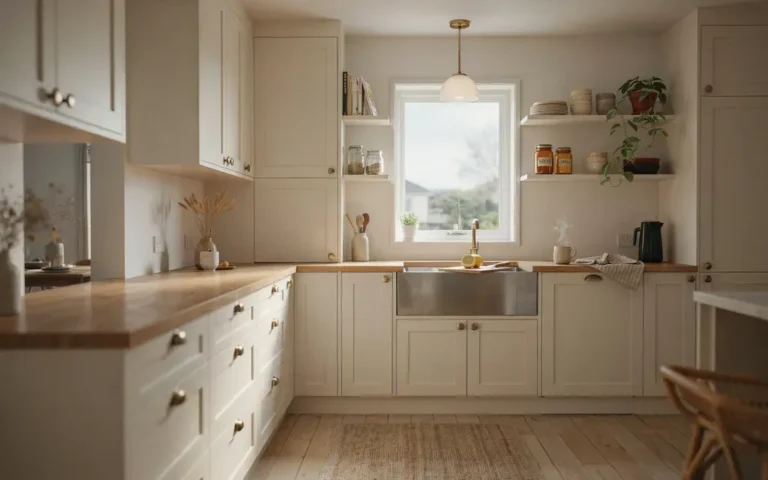
A deep apron-front sink remains the defining feature of nearly every farmhouse kitchen, and for good reason. Its exposed front panel adds a sculptural, handcrafted quality that a standard undermount sink simply can’t match, while the extra basin depth handles large pots and baking sheets with ease. This is one of the most recognizable farmhouse kitchen ideas because it blends genuine function with unmistakable rustic charm, anchoring the whole kitchen around a single, practical, beautifully proportioned centerpiece.
- Adds a sculptural, handcrafted focal point to the kitchen
- Extra basin depth handles large pots and baking sheets easily
- Pairs beautifully with warm wood or shaker-style cabinetry
- Works especially well positioned beneath a window
- One of the most recognizable features of farmhouse design
I’ve noticed that positioning the sink beneath a window whenever possible makes daily dish duty feel far less like a chore, since natural light and a view make the task genuinely more pleasant. Choosing a warm white or cream finish, rather than stark bright white, keeps the sink feeling soft and cohesive with the rest of a rustic color palette. This idea works as a strong starting point for any farmhouse kitchen renovation, since so many other design choices naturally build outward from it.
2. Exposed Wood Beams

- Adds architectural warmth without competing with cabinetry below
- Draws the eye upward, giving the room a sense of height
- Works especially well in kitchens with vaulted or high ceilings
- Pairs naturally with warm lighting and textured materials
- A defining structural detail that photographs beautifully
Exposed wood beams bring genuine architectural character to a farmhouse kitchen, something that flat, unadorned ceilings simply can’t replicate on their own. Whether original to an older home or added during a renovation, beams introduce natural texture overhead, balancing out smooth cabinetry and countertops below. That’s why many designers recommend beams specifically for kitchens with higher ceilings, since the added structure fills what would otherwise be empty visual space, giving the room a cozier, more grounded feeling despite the extra height.
3. Open Wood Shelving

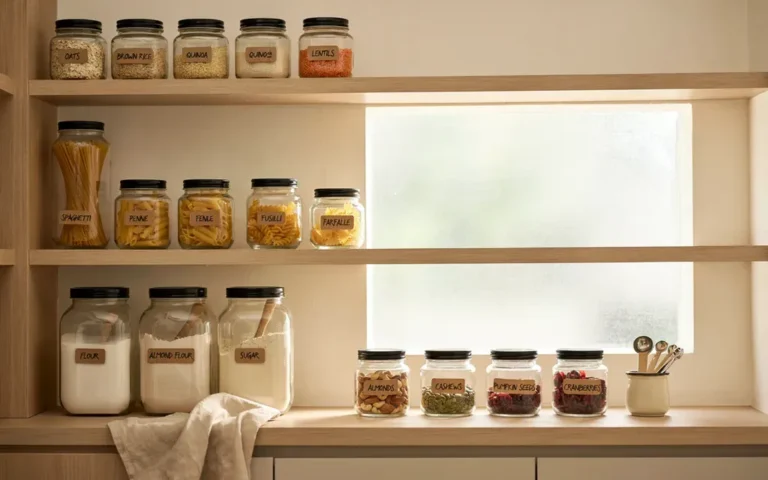
Open wood shelving does more for a farmhouse kitchen’s atmosphere than almost any other single design choice. Unlike closed upper cabinets, open shelves display everyday dishware, mason jars, and dried herbs as part of the room’s overall decor, giving the space that collected-over-time warmth central to farmhouse style. This is one of the farmhouse kitchen ideas that costs relatively little to execute, since it often means removing existing cabinet doors rather than a full renovation, yet the visual transformation feels significant and immediate.
Styling the shelves well takes a bit of intentional thought rather than simply unloading cabinet contents onto them. Grouping similar items together, stacking plates by color or size, lining up jars with visible labels, keeps the display looking curated instead of cluttered. In my experience, mixing in a few decorative touches, a small potted herb or a woven basket, alongside the functional dishware strikes the right balance. This idea rewards a little styling effort with a kitchen that feels genuinely warm, personal, and welcoming.
4. Shiplap Wall Accent

- Adds horizontal texture and depth to otherwise flat walls
- Works beautifully as a backdrop for open shelving or a range
- Pairs naturally with black hardware and warm wood tones
- Achievable in a weekend using pre-cut shiplap panels
- One of the most recognizable textures in farmhouse design
Shiplap has become almost synonymous with farmhouse style, and it’s easy to see why once you see it installed well. The horizontal planks add subtle shadow lines and texture that flat drywall simply can’t provide, giving even a plain wall genuine visual interest without any paint color or wallpaper involved. This idea works particularly well behind a range hood or open shelving, where the textured backdrop enhances everything displayed in front of it rather than competing for attention on its own.
5. Black Metal Hardware

Black hardware brings a grounded, slightly industrial contrast to the softer, warmer elements typical of farmhouse design. Against white or cream cabinetry, matte black pulls and knobs stand out clearly, adding definition without overwhelming the room’s overall warmth. This pairing has become one of the most popular farmhouse kitchen ideas in recent years, largely because it balances the style’s rustic softness with just enough modern edge to keep the kitchen feeling current rather than dated.
Extending the black accent beyond just cabinet hardware, into the faucet, light fixtures, or even window frames, ties the whole look together more cohesively than hardware changes alone. I’ve tried this approach in a farmhouse kitchen renovation, and layering black touches throughout the space, rather than isolating them to just the cabinets, made a noticeably bigger visual impact. Matte finishes tend to hold up better than glossy black under daily kitchen use, showing fewer fingerprints and water spots over time.
6. Wood Beam Range Hood

A wood-clad range hood turns a purely functional appliance cover into one of the kitchen’s most striking architectural details. Wrapping the hood in reclaimed or textured wood paneling adds warmth and rustic character directly above the stove, an area that naturally draws the eye during cooking and gathering. This is one of the farmhouse kitchen ideas that works especially well as a true focal point, since the hood’s size and central position make it nearly impossible to overlook once installed.
- Turns a functional appliance into a genuine focal point
- Reclaimed wood adds authentic texture and rustic character
- Works well paired with a simple tile or brick backsplash
- Draws the eye toward the cooking area naturally
- A statement feature that requires minimal surrounding decor
That’s why many designers recommend investing in a wood range hood as one primary statement feature, rather than spreading a farmhouse kitchen budget too thin across many smaller details. I’ve seen reclaimed wood hoods used in both rustic and slightly more refined farmhouse kitchens, and the material always adds a genuine, handcrafted quality that manufactured alternatives struggle to replicate convincingly.
7. Vintage Pendant Lighting

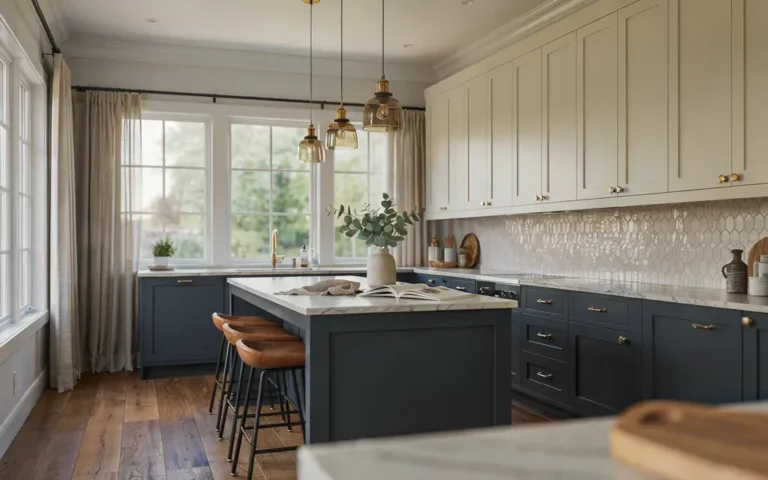
Vintage-inspired pendant lighting adds character and warmth exactly where a farmhouse kitchen needs it most, directly above the island or sink. Unlike sleek, modern fixtures, these pendants often feature aged metal finishes, exposed bulbs, or simple cage designs that echo an older, more nostalgic era. This is one of the farmhouse kitchen ideas that transforms a kitchen’s evening atmosphere significantly, since the warm amber glow these fixtures typically cast feels considerably cozier than the cooler light many standard fixtures produce.
I’ve noticed that hanging pendants at the correct height, generally thirty to thirty-six inches above an island surface, matters more than people initially expect for both function and appearance. Too high, and the fixtures lose their intimate, grounding effect; too low, and they interfere with sightlines across the kitchen. Choosing two or three matching pendants in a row above an island creates a rhythmic, balanced look that single oversized fixtures don’t achieve quite as well.
- Casts a warm, nostalgic glow throughout the kitchen
- Works well hung in a row above an island or sink
- Aged metal finishes add authentic vintage character
- Height placement significantly affects both function and appearance
- A defining lighting choice for classic farmhouse style
8. Wide Plank Flooring

Wide plank flooring gives a farmhouse kitchen an authentic, old-world foundation that narrower boards simply don’t replicate as convincingly. The broader planks show more of the wood’s natural grain and character in each piece, creating a sense of history even in a brand-new installation. This flooring choice works particularly well underfoot in kitchens aiming for a genuinely rustic, lived-in feel rather than a polished, uniform look, since the wider boards naturally show more variation and texture across the entire floor.
That’s why many designers recommend a weathered or distressed finish specifically for farmhouse-style flooring, since a flawless, glossy surface tends to read as too modern for the aesthetic. In my experience, wide plank floors also hide everyday scuffs and pet scratches better than narrower, more polished boards, a practical advantage for busy family kitchens. This idea works as a foundational element, setting the tone for the warmth and texture found throughout the rest of the space.
9. Rustic Wood Island

A rustic wood island anchors the entire kitchen, serving as both a functional workspace and the room’s clear visual centerpiece. Choosing a thick butcher block or reclaimed wood top over a stone countertop keeps the island feeling warm and organic, standing out beautifully against surrounding white or cream cabinetry throughout the rest of the kitchen. This is one of the most impactful farmhouse kitchen ideas, since the island’s size and central placement mean it shapes the overall feel of the space more than almost any other single element.
- Serves as both a functional workspace and visual centerpiece
- Butcher block or reclaimed wood adds organic warmth
- Stands out clearly against lighter surrounding cabinetry
- Pairs well with woven stools and black pendant lighting
- Shapes the room’s overall feel more than most single features
I’ve tried working with a reclaimed wood island in a kitchen renovation before, and the texture and slight imperfections in the wood added a genuine character that a uniform, factory-finished surface never quite achieves. Pairing the island with simple woven or wood stools keeps the seating area feeling cohesive with the rustic materials used throughout. This idea works especially well as the true heart of the kitchen, where cooking, gathering, and conversation naturally happen.
10. Woven Bar Stools

- Adds natural texture that softens white or wood island surfaces
- Works beautifully paired with butcher block or stone countertops
- Lightweight design makes stools easy to move and tuck away
- Brings a relaxed, collected-over-time farmhouse feel
- Pairs well with cushions for added comfort and color
Woven bar stools bring an easy, textural warmth to the seating area of a farmhouse kitchen island. Rattan or wicker seats add a slightly different material than the surrounding wood and stone, giving the space a layered, collected feel rather than one where every element matches too perfectly. This idea works particularly well for kitchens that already lean rustic, since the natural woven texture complements reclaimed wood, exposed beams, and other organic materials found throughout the rest of a typical farmhouse design scheme.
I’ve noticed that mixing slightly different stool styles, rather than choosing four identical seats, actually enhances the farmhouse aesthetic further, echoing the mismatched, gathered-over-time quality central to the style. Adding a simple cushion in a neutral or muted color introduces comfort without disrupting the woven texture’s natural appeal. This is one of the farmhouse kitchen ideas that’s easy to update seasonally too, since swapping cushion colors offers a quick refresh without replacing the stools themselves.
11. Antique Dish Display

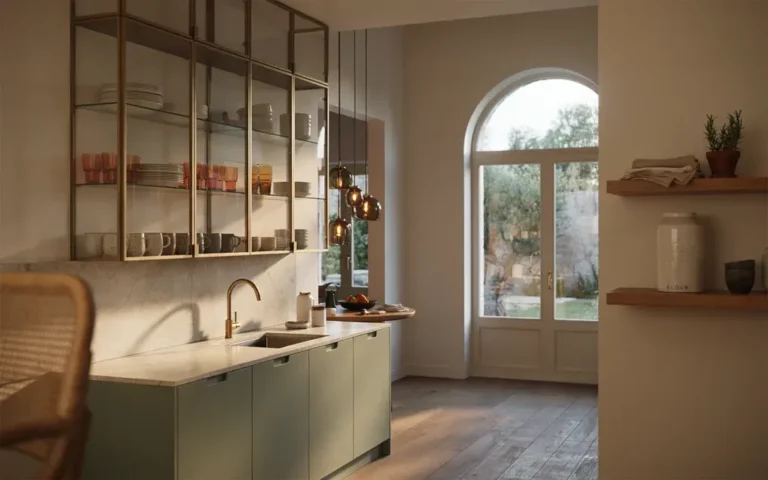
An antique dish display turns everyday kitchen storage into a genuine collection worth admiring. Whether housed in a glass-front hutch or arranged across open shelving, vintage plates, pitchers, and serving pieces add a layer of history and personality that new, uniform dishware simply can’t replicate. This is one of the farmhouse kitchen ideas rooted most directly in the style’s origins, since farmhouse design has always celebrated pieces with age and character rather than pursuing a flawless, brand-new look throughout the entire space.
That’s why many designers recommend sourcing dishware from estate sales, flea markets, or family heirlooms specifically for this look, since mass-produced vintage-style dishes rarely carry the same authentic charm. I’ve seen collections built gradually over years feel far more meaningful and visually interesting than anything purchased all at once from a single store. Arranging pieces by color or size on open shelves keeps a mismatched collection looking intentional rather than chaotic, even with genuinely varied pieces on display.
12. Farmhouse Table Nook

- Creates a natural gathering spot within the kitchen itself
- Mismatched chairs add character without looking chaotic
- Works well positioned near a window for natural light
- Keeps meals and conversation close to the cooking area
- A defining feature of the classic farmhouse kitchen layout
A dedicated table nook brings the farmhouse kitchen’s core purpose to life, creating space not just for cooking, but for genuine gathering. Positioning a wooden table near a sunny window, surrounded by a mix of mismatched chairs, keeps the area feeling warm and welcoming rather than formal or separate from the rest of the kitchen. This is one of the farmhouse kitchen ideas that shapes daily life the most, since it turns the kitchen into a true hub where meals, conversation, and everyday moments naturally happen together in one shared space.
13. Terracotta Floor Tile

Terracotta tile brings an earthy, sun-warmed quality to a farmhouse kitchen that few other flooring materials can replicate. The reddish-orange tones add natural color and warmth underfoot, working especially well in kitchens that lean toward a rustic, Mediterranean-influenced take on farmhouse style rather than a strictly muted, all-neutral palette. This flooring choice creates immediate visual grounding, anchoring the room with organic color while still allowing white cabinetry and countertops above to keep the overall space feeling bright rather than heavy.
- Adds warm, earthy color that grounds the whole kitchen
- Works especially well in Mediterranean-inspired farmhouse styles
- Naturally hides dust and everyday scuffs better than lighter tile
- Pairs beautifully with woven rugs and natural wood tones
- Creates contrast against white cabinetry without feeling cold
In my experience, terracotta tile also tends to hide daily wear better than lighter flooring options, a genuine practical advantage in a busy kitchen. Pairing it with a simple woven jute rug near the sink or island softens the tile’s naturally hard surface underfoot while echoing the same earthy, organic material palette found elsewhere in the room. This idea works particularly well for anyone wanting a farmhouse kitchen with a bit more warmth and color than the typical all-white, neutral approach.
14. Copper Accent Details

Copper accents introduce warmth and shine to a farmhouse kitchen in a way that feels both vintage and quietly luxurious. Whether through hanging cookware, a statement faucet, or small decorative pieces, copper’s warm reddish-gold tone complements the wood and white palette typical of farmhouse design particularly well. This is one of the farmhouse kitchen ideas rooted in genuine practicality too, since hanging copper pots above an island frees up cabinet space while doubling as attractive, functional decor within easy reach during cooking.
That’s why many designers recommend copper specifically over cooler metals like chrome for farmhouse kitchens, since the warm tone naturally suits the style’s overall cozy, rustic direction far better than a sleek, modern finish would. I’ve noticed that copper develops a natural patina over time if left unsealed, which many homeowners actually prefer, since it adds to the collected, aged character central to farmhouse style. A few well-placed copper pieces go further than an entire kitchen covered in the material.
15. Wood Ceiling Detail

A wood plank ceiling wraps a farmhouse kitchen in warmth from an often-overlooked direction. While walls and floors typically receive most of the design attention, adding wood planks overhead creates a genuinely cozy, enveloping feeling that a standard flat, painted ceiling simply doesn’t achieve. This idea works especially well in kitchens with vaulted or sloped ceilings, where the added wood texture fills what would otherwise be a large expanse of plain, empty space above the room’s main activity.
- Adds warmth from an often-overlooked architectural surface
- Works especially well in vaulted or sloped-ceiling kitchens
- Creates a cozy, enveloping feeling throughout the space
- Pairs beautifully with black pendant lighting for contrast
- A distinctive detail that sets a kitchen apart visually
I’ve seen this detail used in kitchens with otherwise fairly simple, understated design elsewhere, and the wood ceiling alone gave the whole room a distinctive, memorable character. Choosing a lighter wood tone helps prevent the ceiling from feeling heavy or closing in the space, especially in kitchens without abundant natural light. This idea rewards a bit more installation effort with one of the most genuinely unique, photograph-worthy features a farmhouse kitchen can offer.
16. Cast Iron Cookware Display

Displaying cast iron cookware openly turns everyday kitchen tools into part of the room’s rustic charm. Rather than tucking heavy skillets and pots away in a cabinet, hanging or stacking them on open shelving near the stove keeps them within easy reach while adding genuine, well-used character to the space. This is one of the farmhouse kitchen ideas that celebrates function as decor, since cast iron’s dark, weathered finish naturally suits the warm, textured materials found throughout the rest of a typical farmhouse design.
- Turns functional cookware into genuine rustic decor
- Keeps frequently used pieces within easy reach while cooking
- Dark, weathered finish complements wood and white surroundings
- Works well displayed on open shelving or a wall-mounted rack
- Adds authentic, well-used character without extra decor needed
I’ve noticed that cast iron develops more character with use over time, unlike many kitchen tools that simply wear out. Displaying a few well-seasoned pieces near the stove tells a small story about how the kitchen actually gets used day to day, which fits naturally with farmhouse style’s appreciation for lived-in, functional beauty. Pairing the display with a simple wall-mounted rack or a sturdy open shelf keeps the pieces organized without looking cluttered or haphazardly placed.
Conclusion
A farmhouse kitchen brings people together in a way few other rooms in the home can match. These farmhouse kitchen ideas show how warm materials, rustic textures, and thoughtful details create a space that feels both cozy and timeless. I’ve seen how much life these small changes bring to a kitchen once they all come together. Whether you’re drawn to a rustic wood island, vintage pendant lighting, or open shelving, there’s an idea here worth trying. Save this post to Pinterest for later, try one idea in your own kitchen, and share it with someone who’d love a cozier home too.