18 Cozy Bed Aesthetic Ideas for a Dreamy Bedroom

Your bed can change the entire feeling of your bedroom. If your space feels plain, cold, or unfinished, cozy bed aesthetic ideas can add softness, warmth, and personality without a major makeover. This guide brings together simple styling details, from layered bedding and textured pillows to warm lighting, natural wood, and inviting accents. In my experience, small changes often create the biggest visual difference. You’ll find practical inspiration that helps your bed look beautiful in photos while staying comfortable and functional for everyday life.
1.Cozy Layered Bedding

- Mix quilts, blankets, and throws to create visible depth.
- Choose soft neutral shades for an instantly calming palette.
- Add different textures instead of relying on many colors.
- Keep the layers loose enough to look relaxed and lived-in.
The fastest way to make a bedroom feel inviting is to give the bed plenty of soft, visible layers. Start with breathable sheets, then add a quilt or duvet, a folded blanket, and a few pillows with different textures. The combination creates depth without making the room feel cluttered. In my experience, neutral bedding works especially well because it makes small bedrooms appear calmer and more spacious. Cream, oatmeal, beige, and warm taupe also pair beautifully with wood furniture, woven baskets, and simple bedside lighting.
Texture matters just as much as color when building a comfortable sleeping space. Try combining crisp cotton with chunky knits, washed linen, quilted fabric, or soft velvet accents for subtle contrast. Keep the heavier blanket toward the lower half of the bed so the arrangement remains practical at night. A few strategically placed cushions can finish the look without overwhelming the mattress. This approach is one of those cozy bed aesthetic ideas that looks polished in photos while still feeling comfortable enough for everyday living.
2. Plush Pillow Arrangement

- Combine pillows in different sizes to create a balanced arrangement.
- Use two or three complementary tones rather than many competing colors.
- Add one lumbar cushion for a finished designer-inspired look.
- Leave enough sleeping space so the display stays practical.
A beautifully arranged pillow collection can instantly turn an ordinary bed into the focal point of the room. Begin with larger pillows at the back, add medium cushions in front, and finish with one smaller or lumbar pillow. This creates a gentle visual slope that photographs beautifully and feels intentionally styled. For a softer bedroom, choose ivory, sand, dusty rose, or warm gray covers. The key is variation: different shapes and fabrics create interest even when every pillow belongs to the same color family.
Avoid filling the entire mattress with decorative cushions if you use the bed every night. Instead, keep the arrangement attractive but easy to move, perhaps storing extra pieces in a nearby basket or bench. I’ve noticed that mixing smooth linen with boucle, cotton, or subtle knitted covers gives a much richer result than using identical fabrics. A few well-chosen pillows can also introduce seasonal changes without replacing the main bedding. This simple adjustment adds softness, dimension, and personality while keeping the overall bedroom feeling calm.
3. Warm Ambient Lighting

- Use warm bulbs to make bedding and fabrics look softer.
- Place lighting close to the bed for practical nighttime use.
- Add a small lamp beside each side for visual balance.
- Keep overhead lighting softer when creating an evening atmosphere.
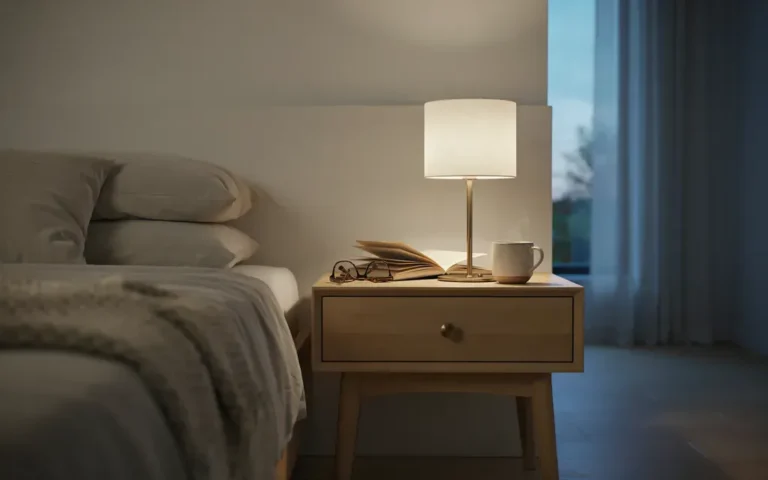
Nothing changes the mood of a bedroom faster than warm, carefully placed lighting. Instead of depending on one bright ceiling fixture, create several gentle sources around the bed. Bedside lamps, wall sconces, or a small reading light can produce a soft pool of illumination that makes bedding look warmer and more inviting. Warm white bulbs are particularly effective with cream, beige, tan, and natural wood finishes. The result is a relaxing environment that feels cozy at night without making the room visually heavy.
Lighting should also support how you actually use the bedroom. A lamp positioned within easy reach makes reading or winding down more comfortable, while matching fixtures on both sides of the bed create symmetry. In my experience, a dimmable lamp is especially useful because the same space can feel bright in the morning and intimate at night. Pair the lighting with sheer curtains and reflective fabrics sparingly, allowing the glow to spread naturally. These small changes can make the entire sleeping area feel more thoughtfully designed.
4. Soft Upholstered Headboard

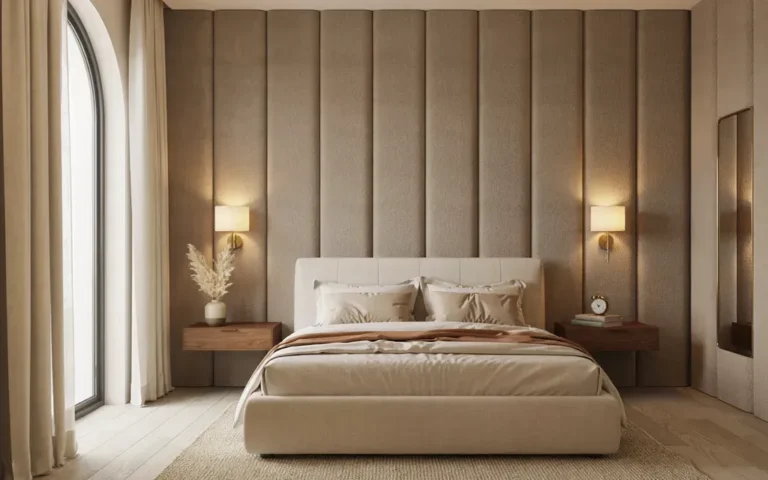
A soft upholstered headboard can make the bed feel instantly more inviting, especially in a room that needs warmth without visual clutter. Choose linen, boucle, velvet, or textured cotton in a quiet shade such as ivory, oatmeal, or warm gray. The padded surface adds comfort for reading and creates a strong backdrop for layered pillows. In smaller bedrooms, a simple rectangular profile often works best because it feels substantial without taking over the wall. Pair it with natural wood nightstands and understated bedding for a balanced, relaxed finish.
- Choose upholstery that feels soft but remains easy to maintain.
- Match the headboard with nearby textiles for a cohesive look.
- Use taller designs when you want to emphasize ceiling height.
- Keep wall decor simple so the headboard stays visually prominent.
For a more polished result, pay attention to the headboard’s proportions and placement before choosing decorative details. A tall design can emphasize ceiling height, while a wider style makes the sleeping area feel generous and grounded. I’ve noticed that softly curved corners also help a bedroom feel less rigid, particularly when paired with rounded lamps or organic accessories. Keep surrounding wall decor minimal so the upholstery remains the visual anchor. The finished arrangement feels comfortable, refined, and easy to adapt as bedding colors or seasonal accents change.
5. Footboard Bench

A bedside bench does more than fill the empty space at the foot of a bed; it gives the whole bedroom a finished, intentional appearance. Choose a low profile with upholstery, woven material, or natural wood that complements the bed rather than competing with it. The extra surface is useful for folding blankets, placing a tray, or setting down clothing temporarily. Leave enough walking room between the bench and surrounding furniture so the layout stays comfortable. In compact rooms, an open-leg design can preserve a lighter visual footprint.
- Choose a bench width that sits comfortably within the bed frame.
- Use woven or upholstered materials to add tactile interest.
- Keep the surface mostly clear for a cleaner appearance.
- Consider storage seating when the bedroom needs extra organization.
Placement is what makes a bedroom bench feel purposeful instead of decorative. Center it with the mattress and choose a width that leaves a little breathing room on both sides. A softly textured cushion can echo the bedding, while a wooden frame adds warmth to an otherwise neutral room. I’ve seen this work well in guest bedrooms because visitors gain a convenient place to sit or organize belongings without needing another bulky chair. Keep the top mostly clear, allowing the bench itself to contribute clean lines and subtle texture.
6. Lightweight Canopy Frame

- Use lightweight fabric to keep the canopy feeling airy.
- Choose natural wood for warmth or slim metal for modern appeal.
- Let the curtains hang loosely instead of creating heavy layers.
- Keep surrounding furniture simple so the frame remains the focal point.
A canopy frame can give the sleeping area a dreamy architectural presence without requiring elaborate decoration. Choose slim wood or metal posts for a modern interpretation, then leave the frame mostly open or drape lightweight fabric loosely around the sides. Soft white, oatmeal, or pale beige curtains keep the look airy and romantic. This setup works especially well when the rest of the room remains simple, because the bed naturally becomes the main focal point. Keep fabrics breathable and easy to remove so the canopy remains practical for everyday use.
7. Knitted Throw Blanket

A chunky knitted throw adds instant softness while giving the bed a relaxed, layered appearance. Drape it casually across the lower corner instead of folding it perfectly, allowing the texture to become part of the room’s visual interest. Cream, oatmeal, camel, and warm gray are easy choices for a neutral bedroom, while muted terracotta or dusty green can introduce gentle color. The blanket should feel substantial but not overly heavy, especially if you live somewhere with warmer temperatures. Its relaxed placement also makes the bed look naturally inviting.
- Choose chunky or ribbed textures for stronger visual depth.
- Drape the blanket loosely for a relaxed, lived-in finish.
- Keep the color connected to your existing bedding palette.
- Fold heavier blankets neatly when the weather becomes warmer.
Texture becomes especially noticeable in photographs, which is why a knitted throw can make a simple bed look much more styled. Try layering it over smooth cotton or linen bedding to create a clear contrast between fabrics. In my experience, placing the throw slightly off-center feels more natural than positioning it perfectly across the mattress. It also makes the bed easier to use because you can grab the blanket without disturbing the entire arrangement. A nearby woven basket provides an attractive place to store it when not needed.
8. Neutral Linen Bedding

Neutral linen bedding creates a relaxed foundation that feels fresh, breathable, and effortlessly styled. Look for shades such as ivory, cream, flax, sand, or soft beige to establish a calm palette without making the room look flat. Linen’s naturally relaxed texture also means minor wrinkles can add character rather than appearing untidy. Pair the bedding with a simple upholstered or wooden bed frame and keep decorative accents restrained. The overall effect is especially useful when you want cozy bed aesthetic ideas that feel sophisticated enough for everyday adult spaces.
- Select washed linen for a naturally relaxed appearance.
- Combine several neutral shades instead of using one flat color.
- Let gentle wrinkles add texture rather than constantly smoothing them.
- Add one contrasting material, such as wood or woven fiber.
A neutral palette becomes more interesting when you vary the materials and tones around the bed. Pair warm ivory sheets with a slightly darker flax duvet, then add a textured lumbar pillow or lightweight blanket. This creates subtle contrast without introducing visual noise. Natural wood, rattan, jute, and ceramic accessories complement linen particularly well because they share an organic quality. I’ve noticed that this combination also makes seasonal updates simple; you can introduce a muted color through one cushion or throw without rebuilding the entire bedroom.
9. Layered Area Rug

A soft area rug beneath the bed can make the entire sleeping zone feel warmer and more complete. Choose a rug large enough to extend beyond the sides and lower portion of the bed, creating a defined area around the furniture. Textured wool, jute blends, or low-pile neutral designs work beautifully with layered bedding. The rug also adds practical comfort when your feet reach the floor in the morning. For smaller bedrooms, positioning a generously sized rug beneath the lower two-thirds of the bed can provide similar visual impact.
- Select a size that extends visibly beyond the bed frame.
- Use subtle patterns when the bedding already has strong texture.
- Choose washable materials for bedrooms with children or pets.
- Place a rug pad underneath to improve comfort and stability.
The right rug can visually connect the bed, nightstands, bench, and surrounding furniture into one cohesive arrangement. Neutral shades such as oatmeal, ivory, beige, and soft gray keep the foundation versatile, while subtle geometric or organic patterns can add interest. Consider the flooring before choosing the color; warm wood often pairs naturally with creamy textiles, while cooler floors may benefit from warmer beige tones. A rug with a soft tactile surface can also reduce the stark feeling of hard flooring, making the bedroom feel quieter, softer, and more comfortable.
10. Woven Bedside Accents

Woven bedside pieces bring natural texture into the bedroom while keeping the sleeping area visually light. Rattan, cane, bamboo, and seagrass details work especially well beside neutral bedding because their warm tones add gentle contrast. A woven nightstand can provide useful storage without looking bulky, while a small basket underneath creates another spot for books or blankets. Keep the accessories simple so the natural texture remains noticeable. The combination works beautifully with linen, cotton, wood, and soft wool, creating a relaxed bedroom that feels collected rather than overly decorated.
- Choose woven materials with natural variations for authentic texture.
- Pair baskets with wood or neutral furniture for warmth.
- Keep bedside surfaces uncluttered and practical.
- Add one small ceramic or glass accessory for contrast.
The easiest way to style woven accents is to repeat the material subtly instead of covering the entire room with it. For example, combine a rattan nightstand with one seagrass basket and a woven lampshade. This repetition creates continuity without making the space feel themed. I’ve noticed that natural fibers look particularly attractive when sunlight reaches them because their texture creates delicate shadows across nearby surfaces. If your bedroom already has several soft fabrics, woven elements provide the harder texture needed to make the overall arrangement feel balanced.
11. Cloud-Like White Bedding

Few things create a softer visual impression than an oversized white duvet piled gently across the bed. Choose fluffy bedding with a slightly relaxed finish rather than an extremely crisp hotel-style arrangement. Ivory and warm white can make the room feel softer than bright optic white, especially beside natural wood or beige furniture. Add several plush pillows and a lightweight throw to create depth without introducing strong patterns. This approach makes the bed look comfortable from across the room and gives the bedroom a clean, peaceful foundation.
- Choose warm white when bright white feels too stark.
- Use a generously filled duvet for a fuller appearance.
- Add subtle beige accents to prevent the room feeling flat.
- Keep patterns minimal when softness is the main visual goal.
A cloud-like bed works best when surrounding elements support its softness rather than compete with it. Sheer curtains can diffuse daylight, while a plush rug adds another comfortable layer underfoot. Keep bedside furniture streamlined and choose lamps with warm, gentle illumination for evenings. The bedding itself can remain mostly monochromatic, with texture providing the visual variation. This is also a practical option for people who prefer flexible decor because white and ivory fabrics pair easily with seasonal cushions, colored throws, or natural accents without requiring major changes.
12. Earthy Terracotta Accents

Terracotta accents can bring warmth and personality to a neutral bedroom without making the space feel overly colorful. Introduce the shade through one throw, a pair of cushions, ceramic accessories, or a small piece of artwork near the bed. Rust, clay, cinnamon, and muted terracotta all work beautifully with cream and beige bedding. Keep the strongest color close to the sleeping area so it becomes an intentional focal point. The result feels grounded and welcoming, particularly when paired with warm wood, woven textures, and soft lighting.
- Start with one or two terracotta accents rather than changing everything.
- Pair earthy shades with cream to maintain visual balance.
- Use ceramic pieces for a subtle connection to natural materials.
- Repeat the warm tone in small details around the room.
The beauty of earthy accents is their ability to make a pale bedroom feel warmer without sacrificing its calm character. Try placing a rust-colored lumbar pillow against an ivory headboard, then repeat the tone through a small clay vase or framed print. These tiny connections help the room feel coordinated without looking overly matched. In my experience, muted terracotta is easier to live with than highly saturated orange because it blends naturally with wood and neutral textiles. Soft daylight also brings out the richness of the color without overwhelming the room.
13. Fluted Wood Headboard

A fluted wood headboard gives the bed a strong architectural feature while keeping the overall bedroom warm and natural. The vertical grooves create subtle shadows that add dimension without requiring bold patterns or bright colors. Natural oak, walnut, or light ash can work beautifully with cream bedding and neutral walls. Choose a finish that complements your existing flooring or furniture for a connected look. The vertical detailing can also draw the eye upward, making the sleeping area feel more substantial without visually crowding the room.
- Choose vertical grooves for a taller-looking visual effect.
- Match the wood tone with nearby furniture when possible.
- Keep bedding soft and simple to highlight the texture.
- Use warm lighting to emphasize the headboard’s natural shadows.
The headboard becomes even more effective when the rest of the bed remains visually calm. Soft linen sheets, a simple duvet, and a few textured pillows allow the wood detailing to take center stage. Avoid placing too many decorative objects directly above it, especially if the grooves already create a strong focal point. A small pair of warm bedside lights can highlight the vertical texture after sunset. I’ve noticed that natural wood also helps neutral bedrooms feel less sterile, adding warmth without introducing a complicated color scheme.
14. Romantic Sheer Curtains

Sheer curtains can soften the entire bedroom while allowing natural light to filter gently around the bed. Choose floor-length panels in ivory, white, or warm beige and let them fall close to the floor for a graceful appearance. Lightweight fabric creates movement and prevents the window area from feeling visually heavy. When positioned behind or beside the bed, the curtains can also create a soft backdrop that complements layered bedding. This is especially useful in bedrooms where you want a dreamy atmosphere without adding lots of decorative accessories.
- Hang curtains close to the ceiling to emphasize vertical height.
- Choose lightweight fabric that filters rather than blocks daylight.
- Let panels extend beyond the window for a fuller appearance.
- Keep curtain colors within the existing neutral palette.
For the most polished effect, make sure the curtain panels are long enough to reach the floor and wide enough to frame the window generously. Avoid stopping them directly at the windowsill, as shorter panels can make the room feel visually divided. During the day, diffused sunlight passing through sheer fabric creates a soft glow around the bed. At night, combine them with warm bedside lighting for a gentler atmosphere. The result is simple but noticeable, adding softness, privacy, and a graceful layer to the bedroom.
15. Vintage Floral Bedding

Vintage floral bedding can bring personality to a bedroom while maintaining a soft, timeless appearance. Look for small-scale botanical patterns in muted shades rather than bright, high-contrast florals. Dusty rose, faded blue, sage, cream, and warm beige create a gentle palette that feels nostalgic without becoming overly traditional. Pair patterned bedding with simple wood furniture and textured neutral accessories so the bed remains the main feature. A lightly rumpled duvet and mismatched but coordinated pillows can make the arrangement feel relaxed instead of overly formal.
- Choose faded floral colors for a softer vintage appearance.
- Balance patterned bedding with solid neutral pillows.
- Pair florals with natural wood for warmth and contrast.
- Keep decorative accessories simple around a busy bedspread.
The secret to making floral bedding feel current is controlling the amount of pattern throughout the room. Let the bed carry most of the print, then repeat one or two colors through small accessories such as a cushion, artwork, or vase. This creates visual connection without turning every surface into a pattern. In my experience, vintage-inspired florals look especially inviting when combined with slightly imperfect textures such as washed linen or woven cotton. The finished bedroom feels personal, comfortable, and thoughtfully layered while still being easy to update later.
16. Candlelit Bedside Glow

A candlelit bedside glow can make the sleeping area feel warmer and more intimate after sunset. Use flameless candles or safely positioned decorative lights on a nightstand, preferably away from bedding and curtains. Combine their gentle glow with a warm bedside lamp rather than relying on candles alone. Cream bedding, natural wood, and soft beige walls reflect the light beautifully, creating a relaxed atmosphere. This small lighting layer is especially useful when you want the bedroom to feel peaceful at night without adding more furniture or decorative clutter.
- Use flameless candles when safety and convenience are priorities.
- Place small lights on stable, heat-safe surfaces.
- Combine candlelight with warm lamps for practical illumination.
- Keep lighting accessories away from loose bedding and curtains.
The visual effect comes from layering different levels of warm illumination around the bed. A small lamp provides useful reading light, while tiny points of candlelight add softness and depth. Choose simple glass, ceramic, or matte holders that complement the room rather than becoming decorative focal points. I’ve noticed that warmer lighting also makes textured fabrics appear richer, especially linen, boucle, and knitted blankets. Keep the arrangement restrained so the bedroom still feels restful. A few carefully placed lights can completely change the mood without changing the furniture.
17. Boucle Accent Pillows

Boucle pillows add a soft, tactile detail that makes the bed feel more luxurious without introducing a strong pattern. Their small loops catch natural and artificial light, creating subtle texture against smoother linen, cotton, or satin fabrics. Choose ivory, cream, oatmeal, or soft beige for an understated look that blends easily with existing bedding. One or two accent pillows are usually enough because the fabric already creates visual interest. Pair them with simple cushions in complementary materials to keep the arrangement comfortable and balanced.
- Use boucle against smoother fabrics for noticeable texture contrast.
- Choose neutral shades when the bedroom already has layered details.
- Limit the number of textured pillows to avoid visual heaviness.
- Select removable covers when easy cleaning matters.
Texture becomes more effective when every material has a clear purpose. Place a boucle lumbar pillow in front of larger linen cushions, then add a lightweight throw near the foot of the bed. This arrangement creates several tactile layers while keeping the color palette consistent. Rounded pillow shapes can also soften a room filled with straight furniture lines. In my experience, boucle works particularly well in neutral bedrooms because its texture provides the interest that stronger colors or patterns would otherwise create. The result feels cozy, modern, and visually rich.
18. Earthy Wood Bed Frame

An earthy wood bed frame gives the bedroom a grounded foundation while bringing natural warmth into the sleeping area. Oak, walnut, ash, and acacia can all create beautiful results, depending on the tone of your flooring and furniture. Choose a frame with visible grain when you want texture to become part of the design. Keep the bedding soft and neutral so the wood remains noticeable without dominating the room. A simple platform silhouette is especially effective when you prefer clean lines and a relaxed, uncluttered bedroom.
- Match the wood undertone with nearby flooring when possible.
- Choose visible grain for added natural texture.
- Pair darker wood with lighter bedding for balanced contrast.
- Keep the frame profile simple for a modern appearance.
Wood works particularly well as a counterpoint to soft fabrics because it prevents the bedroom from feeling too delicate or flat. Try combining a warm oak frame with ivory bedding, woven accessories, and a textured rug for an organic palette. Dark walnut can create a more dramatic result when paired with cream and warm gray. I’ve seen this combination work especially well in bedrooms that lack architectural character because the wood grain introduces visual depth naturally. Keep the surrounding furniture restrained, allowing the bed frame to establish the room’s visual foundation.
Conclusion
A dreamy bedroom does not require a complete redesign. The right textures, lighting, colors, and thoughtful layers can make your bed feel like the most inviting spot in the home. These cozy bed aesthetic ideas give you simple ways to add warmth, personality, and comfort while keeping the room practical. I’ve seen how small changes can completely transform a space, especially when each detail works together. Save this post on Pinterest so you can return to your favorite ideas, try one or two in your own bedroom, and share the inspiration with someone planning a cozy makeover.