21 Laundry Room Design Ideas for a Modern Layout

A well-designed laundry room can make everyday chores feel surprisingly simple.
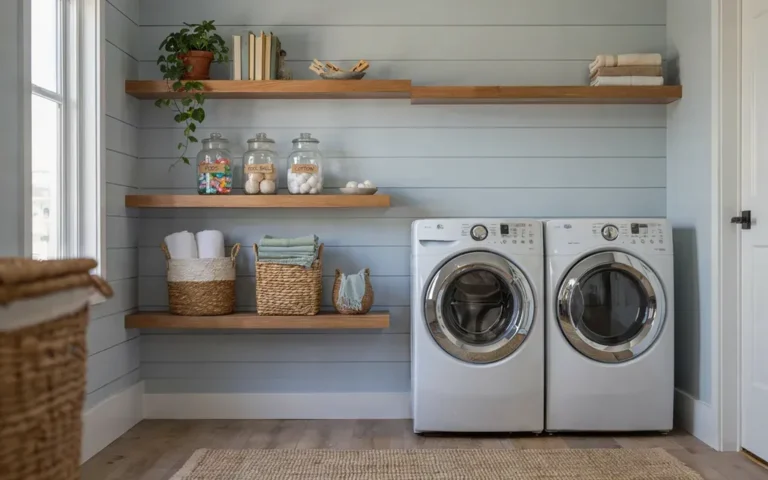
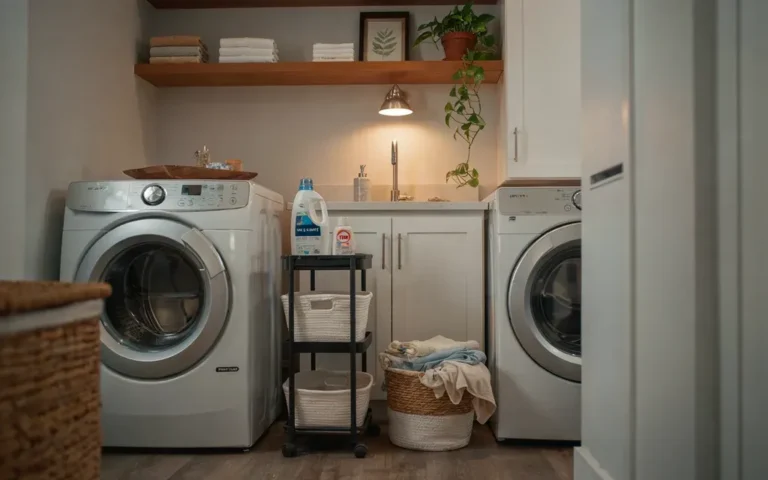
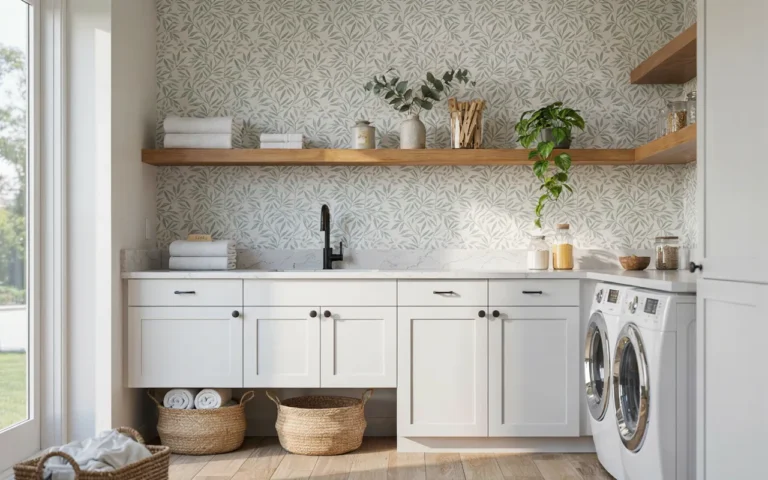
With the right layout, storage, and practical details, even a busy utility space can feel clean, organized, and inviting.These laundry room design ideas are created for homeowners who want more than a basic washer-and-dryer setup. Whether your laundry area is narrow, shared with another space, or large enough for multiple work zones, thoughtful planning can improve how efficiently you sort, wash, dry, fold, and store clothes. You’ll find practical ideas for vertical storage, hidden organization, drying areas, folding surfaces, utility features, and multifunctional layouts. In my experience, the biggest improvements often come from small changes that remove unnecessary steps from your routine. Use these ideas to create a laundry room that looks beautiful while working harder for your everyday needs.
Stacked Washer Dryer

- Saves valuable floor space in compact laundry rooms.
- Creates room for additional storage beside the appliances.
- Vertical placement keeps the layout clean and efficient.
- Works especially well in narrow utility spaces.
Make every inch count with a stacked washer and dryer that uses vertical space instead of spreading appliances across the floor. This layout can free valuable room for cabinets, shelving, or a folding surface while keeping the work zone organized. Surround the appliances with warm white or natural wood cabinetry for a built-in appearance that feels polished. In my experience, stacking works particularly well in narrow laundry rooms because it creates a taller, cleaner arrangement without sacrificing essential functionality. Add a small shelf nearby for detergent, stain removers, and frequently used laundry supplies.
Before choosing this arrangement, confirm that your washer and dryer are designed to be safely stacked using the manufacturer-approved kit. Leave enough ventilation and service access around the appliances, and consider how the doors open before finalizing the placement. A countertop beside the units can provide a convenient folding station without interrupting circulation. Use matching baskets or labeled containers to keep smaller supplies controlled. Among practical laundry room design ideas, a vertical appliance layout is especially useful when floor space is limited but you still want the room to feel comfortable, organized, and visually streamlined.
Pull-Out Drying Rack

- Provides dedicated air-drying space without taking over the room.
- Slides away neatly when clothes are completely dry.
- Keeps delicate garments organized and easy to reach.
- Can fit inside cabinetry or beneath a counter.
A pull-out drying rack is a smart addition when delicate clothes need air circulation but permanent hanging space feels inconvenient. The rack can slide from beneath a countertop, inside a cabinet, or beside the washing machine when needed, then disappear when the laundry is finished. Choose wood, metal, or a moisture-resistant composite depending on your style and available space. I’ve noticed that retractable features make laundry routines easier because useful equipment stays accessible without creating permanent visual clutter. This simple upgrade can give a compact room more flexibility without requiring major structural changes.
Think about the types of clothing you regularly wash before selecting the rack size and placement. A deeper pull-out section works well for shirts and larger garments, while a smaller rack may be enough for delicate items. Position it where airflow is good and avoid blocking appliance doors or walkways. Pair the rack with nearby shelves for hangers, clothespins, and laundry accessories. This setup adds function exactly where it is needed, helping the room handle everyday washing more efficiently. It is one of those small improvements that can make the entire laundry process feel more organized.
Fold-Down Counter

- Adds a temporary folding surface without using permanent floor space.
- Folds flat when the laundry area needs more room.
- Creates a convenient workspace directly beside the appliances.
- Ideal for compact rooms with limited countertop options.
A fold-down counter can instantly add useful workspace to a laundry room without permanently taking up valuable floor or wall space. Mounted above or beside the appliances, it provides a convenient surface for folding shirts, sorting towels, or organizing freshly washed clothes. Choose warm wood for a natural touch or a smooth white surface for a cleaner contemporary appearance. In my experience, a folding counter is especially useful when the room serves several purposes because it can disappear when the extra workspace is no longer needed, leaving the area open for other activities.
Install the counter at a comfortable working height and use sturdy hinges or brackets designed to support its intended weight. Keep the surrounding wall relatively clear so the surface can fold upward without hitting shelves, doors, or decorative items. A few hooks underneath can provide temporary hanging space for garments or cleaning tools. When closed, the counter should sit neatly against the wall and maintain the room’s streamlined appearance. This practical feature combines flexibility and efficiency, helping even a small laundry area function more like a dedicated work zone without requiring a permanent island or oversized cabinet.
Utility Sink Station

- Provides a dedicated spot for soaking and handwashing.
- Helps keep messy cleaning tasks away from kitchen sinks.
- Deep basins are useful for larger household items.
- Counter space beside the sink improves everyday workflow.
A deep utility sink can turn a laundry room into a much more capable work zone. It gives you a dedicated place for soaking stained clothes, handwashing delicate pieces, rinsing muddy shoes, or handling messy household tasks without using the kitchen sink. Choose a generous basin with a practical faucet and surround it with durable countertop material. In my experience, having water exactly where laundry tasks happen saves time and keeps the rest of the home cleaner. Add a cabinet underneath for cleaning products, buckets, and other supplies you want nearby but out of sight.
Placement matters because the sink should support the natural movement between washing, drying, and folding. Position it close to the washing machine when possible, while leaving enough counter space for sorting or treating garments. A pull-out faucet can make rinsing bulky items much easier, and a deep basin helps prevent splashing. Choose moisture-resistant cabinetry and a countertop that tolerates frequent water exposure. This practical station adds genuine functionality rather than decoration alone, making the laundry room more versatile for everyday chores while keeping supplies organized and creating a dedicated area for tasks that can get messy.
Hanging Rail Wall

- Provides immediate hanging space for freshly washed clothes.
- Reduces wrinkles before garments reach the closet.
- Uses vertical wall space efficiently.
- Makes everyday laundry sorting faster and easier.
A dedicated hanging rail can make the transition from washing to closet storage much easier. Install a sturdy rail above a countertop, beside the appliances, or beneath a row of cabinets so freshly cleaned shirts and dresses can hang immediately. This helps reduce wrinkles and keeps garments from sitting in baskets for too long. Choose matte black, brushed brass, stainless steel, or natural wood depending on the room’s finishes. I’ve noticed that having hangers ready in the laundry room encourages faster sorting because clothes can move directly from the dryer or drying area onto the rail.
For the best workflow, place the rail where you naturally stand after removing clothes from the dryer. Leave enough vertical clearance for longer garments and enough depth for hangers to move comfortably. A shelf above the rail can hold detergent, baskets, or folded linens, while hooks nearby can handle smaller items. Avoid overcrowding the rail because too many garments can make the space difficult to use. This simple addition gives the room a dedicated clothing station and adds practical storage without requiring another bulky piece of furniture.
Built-In Ironing Board

- Keeps ironing equipment hidden when not needed.
- Eliminates the need to store a full-size board elsewhere.
- Creates a dedicated finishing station for clean clothes.
- Works especially well inside tall cabinetry.
A built-in ironing board can make a laundry room feel far more efficient by giving ironing its own concealed station. Instead of storing a large board behind a door or in another room, install a fold-out version inside a suitable cabinet or wall compartment. It can open quickly when needed and disappear afterward, keeping the room visually tidy. In my experience, hidden ironing stations are particularly useful in smaller homes because they eliminate the awkward storage problem created by traditional boards. Place a nearby outlet and hanging rail to create a convenient finishing area for freshly washed clothes.
Measure the cabinet carefully before installation and confirm that the board opens fully without blocking appliances, doors, or walkways. Heat-resistant materials and proper ventilation around the ironing area are important for safe everyday use. Store the iron and spray bottle in nearby compartments so everything remains together. A small shelf above the board can hold starch, clothespins, or garment-care accessories. This feature turns an ordinary laundry room into a more complete clothing-care station, reducing clutter while making pressing, hanging, and organizing garments feel like one smooth, connected routine.
Laundry Sorting Drawers

- Separates lights, darks, and delicate fabrics before washing.
- Keeps laundry piles hidden inside organized compartments.
- Deep drawers create a cleaner alternative to open baskets.
- Labels make sorting easier for the whole household.
Make laundry day easier by giving every clothing category its own dedicated sorting drawer. Deep pull-out compartments can separate whites, darks, towels, and delicate fabrics before they reach the washing machine. This keeps loose clothing piles from spreading across floors, bedrooms, or countertops. Choose matching cabinetry so the sorting system blends naturally into the room rather than looking like an added storage solution. I’ve noticed that simple sorting systems are easier to maintain when every category has a clear home, especially in busy households where several loads may need to be prepared throughout the week.
Choose drawer sizes based on how much laundry your household produces rather than simply copying a showroom layout. Ventilated inserts can help air circulate if damp garments occasionally sit inside, while removable fabric liners make cleaning easier. Clearly labeled sections are helpful for children and other family members who may sort clothes independently. Place the drawers near the washer to shorten the distance between sorting and loading. This arrangement adds structure to the laundry routine and keeps the room looking calmer, proving that thoughtful storage can improve both the appearance and efficiency of a modern utility space.
Open Hanging Cubby

- Creates dedicated drop zones for individual clothing loads.
- Keeps hangers and freshly pressed garments easy to reach.
- Open compartments make frequently used items visible.
- Works well above counters or beside appliances.
An open hanging cubby can create a practical transition zone for clothes that need to be hung, folded, or moved to another room. Build several compartments above a counter or beside the appliances, giving each section enough height for hangers and small baskets. Pale oak, painted white, or soft gray finishes keep the structure visually light. In my experience, open cubbies are especially useful when laundry tends to accumulate between washing and putting clothes away. Having a clearly defined landing spot helps prevent clean garments from ending up in random piles around the room.
Use sturdy hooks or a short hanging rail inside each cubby so shirts and dresses can move directly from the dryer to their temporary storage space. Keep one compartment available for empty hangers and another for items waiting to be folded. If the cubbies are deep enough, baskets can hide smaller accessories while maintaining a tidy appearance. Position them at a comfortable height and avoid placing delicate garments too close to damp areas. This setup creates a useful staging area that improves the flow of laundry without adding bulky furniture or complicated storage systems.
Pet Wash Corner

- Creates a dedicated area for washing muddy pets.
- Keeps outdoor dirt away from the main bathroom.
- Low basin height makes rinsing easier for smaller animals.
- Nearby hooks provide space for towels and grooming tools.
A dedicated pet wash corner can make a laundry room much more useful for households with dogs or other washable pets. A low basin with a handheld sprayer provides an easy place to rinse muddy paws, clean after outdoor adventures, or handle messy grooming tasks. Position the station near the room entrance when possible so dirty pets do not need to cross the house. In my experience, having a dedicated washing area can make rainy-day cleanup much less stressful because towels, water, and cleaning supplies are all within reach instead of being scattered throughout the home.
Choose durable, slip-resistant flooring and a basin surface that can handle frequent water exposure. A handheld sprayer with flexible reach makes rinsing easier, while a nearby shelf or cabinet can store pet shampoo, brushes, towels, and drying supplies. Hooks placed at a convenient height keep wet towels off the floor. If space is limited, a compact raised tub can work beside the appliances without requiring a full custom station. This practical addition turns an ordinary utility room into a flexible household workspace while keeping pet-related messes contained and easier to manage.
Laundry Basket Cubbies

- Gives every laundry basket a dedicated parking spot.
- Keeps containers off the floor and walkways clear.
- Open cubbies make carrying and sorting loads easier.
- Matching baskets create a more polished visual effect.
Give bulky laundry baskets a permanent home with built-in cubbies designed around their exact dimensions. Instead of leaving hampers scattered around bedrooms or leaning against appliances, create several open compartments beneath a countertop or along one wall. Each basket can slide out easily when a load is ready, then return neatly afterward. In my experience, dedicated basket storage makes a laundry room feel dramatically more organized because the containers themselves stop becoming part of the clutter. Choose woven baskets for warmth or matching fabric bins for a cleaner, more uniform appearance.
Measure your preferred baskets before building the cubbies so they have enough clearance to slide in and out comfortably. Leave a small amount of space around each container for easy handling, especially when baskets are full. Labeling sections for towels, colors, or individual family members can make sorting faster. A countertop above the cubbies can become a useful folding station, creating two functions within one compact structure. This layout combines storage and workflow efficiently, helping the laundry room remain tidy while keeping clean and dirty clothing easier to separate throughout the week.
Pegboard Utility Wall

- Uses an empty wall for flexible vertical organization.
- Hooks can be moved as storage needs change.
- Keeps small laundry tools visible and accessible.
- Adds useful texture without bulky cabinetry.
A pegboard utility wall can turn an empty laundry room wall into a flexible organization station. Mount a large wood or painted pegboard above a countertop and use adjustable hooks, shelves, baskets, and holders for laundry brushes, clothespins, spray bottles, scissors, and other small tools. Unlike fixed shelving, the arrangement can change as your needs evolve. I’ve noticed that flexible wall storage is particularly helpful in utility rooms because supplies come in many shapes and sizes. Keeping them visible also makes frequently used tools easier to grab instead of searching through crowded cabinets.
Plan the pegboard around the items you actually use rather than filling every available section. Place heavier supplies on stronger hooks and keep lightweight accessories in small baskets or shelves. A warm oak finish can soften an otherwise practical feature, while white or muted gray creates a more seamless appearance. Leave enough countertop space below for folding or sorting. This setup adds function without taking away floor area, making it one of the more adaptable laundry room design ideas for homeowners who want an organized space that can easily change as storage requirements grow.
Window Folding Nook

- Uses natural light to brighten the work surface.
- Creates a pleasant dedicated area for folding clothes.
- Window placement can make laundry tasks feel less enclosed.
- Lower drawers provide convenient nearby storage.
Turn a bright window area into a dedicated folding nook where natural light makes everyday laundry tasks feel more pleasant. Install a durable countertop beneath or beside the window, leaving enough surface for sorting freshly dried clothes and towels. Keep the cabinetry below simple so the window remains the visual highlight. In my experience, placing a work surface near natural light can make a utility room feel less enclosed and more connected to the rest of the home. Add a small basket, linen curtain, or simple plant to soften the practical setting without sacrificing workspace.
Make sure the countertop does not block the window’s operation or interfere with ventilation. Choose a moisture-resistant material that can handle frequent folding, sorting, and occasional spills. Drawers beneath the surface can store clothespins, fabric care supplies, or reusable bags, keeping the counter clear when it is not being used. If the window receives strong sunlight, consider a light-filtering shade to protect fabrics and maintain comfortable working conditions. This arrangement combines natural brightness, useful workspace, and smart storage, creating a laundry corner that feels functional without looking overly utilitarian.
Broom Storage Cabinet

- Hides long cleaning tools from everyday view.
- Uses narrow vertical space efficiently.
- Keeps brooms, mops, and dusters together.
- Helps maintain a cleaner, less cluttered appearance.
A dedicated broom cabinet can solve one of the most frustrating storage problems in a laundry room: finding a proper home for long cleaning tools. A tall, narrow cabinet can hold brooms, mops, dusters, vacuum attachments, and cleaning supplies without spreading them across corners or walls. Choose a finish that matches the main cabinetry so the storage blends into the layout. In my experience, vertical cabinets are especially useful because they take very little floor space while creating surprisingly generous storage inside. A simple door keeps everything hidden and gives the room a much cleaner appearance.
Plan the interior around the tools you actually own, allowing enough height for handles and enough width for bulky equipment. Adjustable hooks or narrow shelves can organize smaller brushes, sprays, and replacement supplies. Keep heavier items lower for easier access and avoid overcrowding the cabinet. Positioning it near the laundry entrance can make cleaning supplies convenient without interrupting the main washing workflow. This practical storage solution turns an awkward collection of household tools into an organized system, helping the laundry room stay visually calm while making routine cleaning tasks faster and easier to manage.
Backsplash Work Wall

- Protects walls from splashes and everyday laundry messes.
- Adds color and texture behind the work zone.
- Creates a defined visual focal point.
- Tile makes cleaning around utility areas easier.
A tiled work wall can give the laundry room a finished appearance while protecting the busiest surfaces from splashes, detergent marks, and everyday mess. Use soft green ceramic tile, creamy zellige-style surfaces, warm beige porcelain, or another durable material that complements the cabinetry. A backsplash behind the washer, sink, or folding counter creates a clear visual zone and makes the room feel more intentionally designed. I’ve noticed that even a modest tiled section can make a basic utility area feel more connected to the home’s overall decorating style.
Choose a surface that is easy to wipe clean and avoid overly delicate materials near water or detergent stations. If the room is small, lighter tile colors can help maintain an open feeling while still introducing texture. A subtle pattern can add interest, but simple grout lines often create a more timeless result. Coordinate the tile with countertops and cabinet finishes rather than matching every surface exactly. This approach combines protection and decoration in one practical feature, helping the laundry area look polished while making routine cleanup easier after busy washing days.
Retractable Clothesline

- Provides air-drying space without permanent visual clutter.
- Retracts neatly when the line is not needed.
- Useful for delicate garments and lightweight fabrics.
- Works well in compact utility rooms.
A retractable clothesline adds flexible drying space without requiring a permanent rack that occupies valuable floor area. Mount the line between two sturdy points and extend it when delicate garments, swimsuits, or lightweight fabrics need to air-dry. When finished, the line retracts neatly against the wall, leaving the room open for other activities. In my experience, this feature is especially useful for households that occasionally air-dry clothes but do not want a large drying rack taking up space every day. It offers function exactly when needed while keeping the room visually uncluttered.
Install the line where airflow is good and away from areas that could become blocked by open appliance doors. Choose a strong, moisture-resistant system designed to handle the amount of clothing you expect to hang. Keep several hangers nearby so garments can move directly from the washer or dryer to the line. If condensation is common, make sure the room has adequate ventilation to prevent excess humidity. This compact feature adds another layer of flexibility to the laundry routine, helping delicate clothing dry naturally while preserving valuable floor space and maintaining a clean, modern appearance.
Under-Counter Hamper

- Keeps dirty laundry hidden beneath the main work surface.
- Makes sorting convenient near the washing machine.
- Preserves valuable floor space in compact rooms.
- Matching cabinetry creates a seamless built-in appearance.
Hide laundry baskets inside the cabinetry by creating deep hamper drawers directly beneath the main countertop. This keeps dirty clothes contained while maintaining a clean, streamlined appearance across the room. Separate drawers can handle whites, darks, towels, or delicate fabrics, making sorting easier before washing begins. In my experience, concealed hampers are particularly useful when the laundry room is visible from nearby living areas because they prevent clothing piles from becoming part of the room’s visual clutter. Choose sturdy drawer hardware that can handle frequent opening and heavier loads.
Measure the hamper inserts carefully before installing the cabinetry, leaving enough room for the baskets to be removed easily when full. Ventilated containers can help with airflow if clothing occasionally sits inside before washing. Position the drawers close to the washer so the movement from sorting to loading feels natural. A durable countertop above creates additional folding or organizing space, making the cabinet perform two functions at once. This setup gives the laundry room a polished built-in appearance while improving everyday organization and keeping dirty clothing discreetly contained until the next wash cycle.
Wall-Mounted Drying Bars

- Uses empty wall space for everyday air-drying.
- Multiple bars can handle different garment lengths.
- Keeps wet clothing off counters and appliances.
- Adds function without consuming floor space.
Wall-mounted drying bars provide a simple way to create dedicated air-drying space without filling the floor with a traditional rack. Install one or several slim rails above a folding counter, beside the washer, or underneath upper cabinetry. Brushed brass, matte black, stainless steel, or warm wood can coordinate with the room’s existing finishes. I’ve noticed that fixed drying bars are especially convenient for shirts and lightweight garments because clothes can move directly from the washer to the hanger without being placed on another surface first.
Consider installing bars at different heights if you regularly dry both short and longer garments. Leave enough space between the rails and the wall so hangers move comfortably, and make sure the mounting hardware can support the expected load. Keep the area well ventilated to help moisture escape naturally. A nearby shelf can hold empty hangers and laundry accessories, creating a complete drying station. This practical addition makes better use of vertical space, improves clothing care, and keeps the floor clear, helping the laundry room feel more efficient without adding bulky furniture.
Laundry Prep Island

- Adds generous space for folding and sorting clothes.
- Central drawers provide convenient storage for laundry supplies.
- Creates a dedicated work zone in larger rooms.
- Can improve the flow between washing and folding.
A compact laundry island can turn a spacious utility room into a highly efficient work zone by placing folding, sorting, and storage directly in the center. Choose a durable countertop with deep drawers underneath for detergents, linens, clothespins, or household supplies. Warm oak can add character, while painted cabinetry creates a cleaner contemporary look. In my experience, an island becomes especially useful when several loads are handled at once because clean clothing can be sorted immediately instead of being moved from one surface to another. Keep the proportions modest enough to preserve comfortable walking space around it.
Before installing an island, measure the room carefully and maintain generous clearance around appliances, doors, and cabinets. The countertop should be wide enough for folding without making movement awkward. Rounded corners can improve safety and circulation in tighter layouts, while drawers are often more practical than deep doors for everyday supplies. Add a few baskets underneath if open storage suits your style. This arrangement brings multiple laundry tasks into one central station, making the room feel more like a thoughtfully planned workspace. The result is organized, functional, and comfortable for households that regularly manage larger volumes of laundry.
Utility Rail System

- Keeps small laundry tools within quick reach.
- Uses narrow wall space without adding bulky cabinets.
- Hooks can be rearranged as needs change.
- Creates a tidy station for frequently used accessories.
A utility rail system can turn a narrow stretch of wall into a practical organization zone for everyday laundry tools. Mount a sturdy rail above the counter or beside the appliances, then add hooks for brushes, spray bottles, reusable bags, measuring cups, and small baskets. Because the accessories hang vertically, the countertop stays clearer for folding and sorting. In my experience, keeping frequently used tools visible can make laundry routines faster because there is less searching through drawers or crowded cabinets. Choose a finish that coordinates with your cabinet hardware for a cohesive appearance.
Keep the rail focused on items you actually use regularly rather than filling every available hook. Place heavier tools on secure hooks and use small baskets for lightweight accessories such as clothespins or stain-treatment supplies. Leave enough space between hanging items so everything can be removed easily. If the laundry room is narrow, a rail can provide useful organization without reducing walking clearance. This simple feature adds flexibility, improves accessibility, and gives an otherwise empty wall a purpose. The result is a cleaner workspace where practical tools become organized details rather than sources of visual clutter.
Built-In Laundry Desk

- Adds a useful workspace beside everyday laundry functions.
- Creates a spot for household planning and paperwork.
- Drawers can store stationery and laundry supplies together.
- Works well in larger utility rooms.
A built-in laundry desk can make a spacious utility room serve more than one purpose without sacrificing its main function. A slim desktop beside the appliances creates a convenient place for organizing schedules, folding small items, labeling supplies, or handling household paperwork. Choose a warm wood surface with simple cabinetry underneath to connect the desk visually with the laundry area. In my experience, multifunctional zones work best when the secondary workspace stays compact and clearly separated from wet tasks. A small chair and one open shelf can complete the setup without making the room feel like a full office.
Measure the desk carefully so it does not interfere with appliance doors or create a narrow walkway. Use drawers for stationery, batteries, small tools, and other household items that often need a dedicated home. A task light can improve visibility when natural light is limited, while a small pinboard or shelf can keep important notes organized. Keep decorative items minimal because the laundry room already contains many functional elements. This layout adds versatility to the space, allowing one room to support several household routines while maintaining a clean, modern appearance and practical workflow.
Hidden Laundry Doors

- Conceals appliances when the laundry area is near living spaces.
- Creates a seamless wall of cabinetry.
- Helps open-plan homes maintain a polished appearance.
- Keeps utility equipment visually contained when not in use.
Hidden laundry doors can make a practical utility area almost disappear when the room is positioned near a hallway, kitchen, or living space. Full-height cabinet-style doors can conceal stacked appliances, shelves, or an entire compact laundry zone behind a seamless wall. Choose warm white, soft beige, or natural wood finishes that coordinate with surrounding interiors. I’ve noticed that concealed utility areas are especially valuable in open-plan homes because they keep necessary appliances from becoming the visual focus. When the doors close, the surrounding space feels calmer and more residential.
Plan ventilation, appliance access, and door clearance carefully before creating a concealed setup. The doors should open fully enough for loading, servicing, and moving laundry comfortably, while the enclosure must meet the appliance manufacturer’s ventilation requirements. Use durable hinges and easy-clean finishes because laundry areas can experience moisture and dust. Keep storage inside organized with shelves, baskets, and rails so the hidden zone remains functional. This approach combines smart planning with visual simplicity, allowing you to enjoy a polished interior appearance while keeping the practical work of washing, drying, and organizing clothes completely accessible.
Conclusion
A modern laundry room should make household routines easier while still feeling like a thoughtful part of your home. From hidden storage and drying stations to folding counters, sorting drawers, utility sinks, and flexible work zones, these laundry room design ideas can help you create a space that feels organized and efficient. I’ve noticed that when every frequently used item has a clear place, laundry becomes much less overwhelming. Save this article on Pinterest for your next home project, try the ideas that fit your layout, and share it with someone planning a laundry makeover. Small improvements can create a surprisingly big difference.