24 Brown Kitchen Ideas for Warm Modern Decor

Brown is back in the kitchen—and it can look incredibly modern.
From rich walnut cabinets to soft caramel accents, the right brown tones can make a kitchen feel warm, stylish, and inviting.
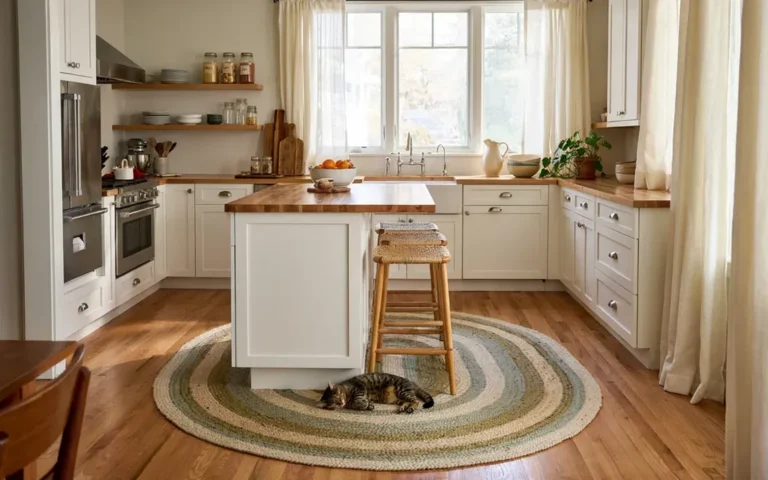
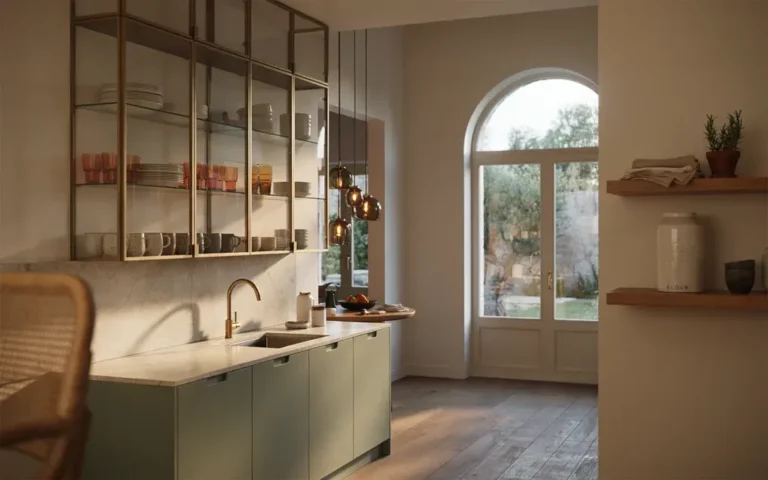
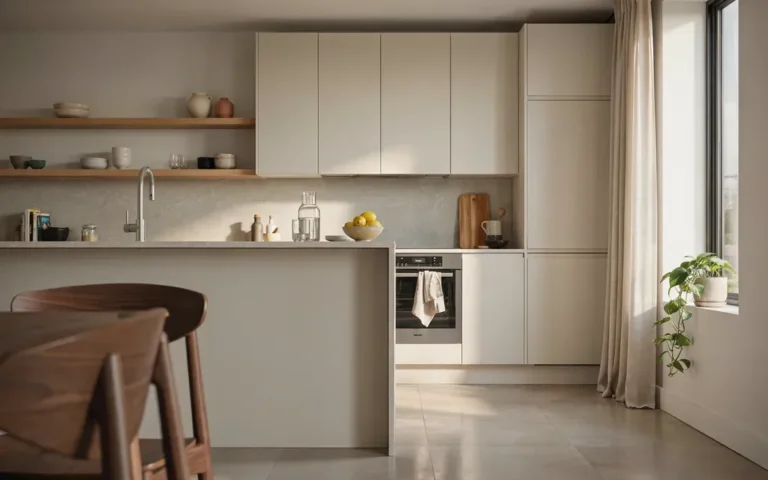
These brown kitchen ideas are perfect if your space feels too cold, plain, or lacking personality. You’ll find inspiration for cabinetry, islands, backsplashes, flooring, shelving, lighting, and small decorative details that can bring beautiful warmth without making the room feel dark or dated. The key is balancing deeper brown shades with lighter surfaces, natural textures, and thoughtful lighting. In my experience, even one carefully chosen brown element can completely change the atmosphere of a kitchen. Explore these ideas to discover practical combinations that make everyday cooking spaces feel more comfortable, layered, and beautifully designed.
Walnut Cabinetry

- Creates warmth without making the kitchen feel visually heavy.
- Natural walnut grain adds texture and character to flat surfaces.
- Light countertops provide contrast and keep the room feeling open.
- Brushed brass or matte black hardware can sharpen the modern look.
Rich walnut cabinetry can instantly give a kitchen more warmth, depth, and personality. The natural grain creates visual texture across the room while the medium-to-dark brown tone makes the space feel grounded and inviting. Pair it with creamy quartz countertops, light walls, and simple hardware to prevent the cabinetry from feeling too heavy. This combination works especially well in modern homes where clean lines need a little natural character. I’ve noticed that walnut looks particularly beautiful beside soft daylight because the changing light reveals subtle variations in the wood grain throughout the day.
Walnut also gives you plenty of flexibility when choosing surrounding finishes. A pale backsplash can brighten the cabinetry, while warm oak flooring can create a layered wood palette without looking overly matched. Keep the cabinet doors relatively simple and let the natural grain provide the decorative interest. For hardware, brushed brass adds warmth, while matte black creates stronger contrast. Among brown kitchen ideas, this approach is especially useful when you want a sophisticated foundation that feels modern today but can easily adapt to different lighting, accessories, and countertop styles over time.
Chocolate Island

- Makes the island a strong focal point without changing every cabinet.
- Deep brown creates contrast against lighter surrounding surfaces.
- A large island adds both workspace and visual structure.
- Warm lighting enhances the richness of chocolate-toned finishes.
Make the kitchen island the star with a deep chocolate-brown finish against lighter surrounding cabinetry. This contrast creates a strong focal point while keeping the rest of the kitchen bright and balanced. Choose a rich espresso or chocolate tone for the island base, then pair it with warm white cabinets and a creamy countertop. The darker center visually anchors an open kitchen and helps define the cooking and gathering area. In my experience, this is an easy way to introduce brown into a modern kitchen without committing every cabinet to a darker color.
A chocolate island also gives you an opportunity to combine materials without making the room feel busy. Consider a light quartz surface with subtle veining, simple pendant lights, and natural wood stools for warmth. Keep the backsplash relatively quiet so the island remains visually dominant. If the kitchen receives limited daylight, use warm layered lighting beneath cabinets and above the island to prevent the brown finish from looking flat. This setup offers practical workspace while creating the kind of rich, welcoming centerpiece that makes a kitchen feel designed for both everyday meals and relaxed gatherings.
Two-Tone Cabinets

- Separates dark and light finishes for a balanced visual effect.
- Dark lower cabinets ground the room without shrinking it.
- Light upper cabinets help maintain an airy feeling.
- Consistent hardware can visually connect both cabinet colors.
Create a balanced kitchen by combining dark brown lower cabinets with lighter upper cabinets. The darker base grounds the room, while cream or ivory cabinetry above keeps the upper half visually open. This arrangement is especially helpful in kitchens where an all-brown palette might feel too dense. The contrast also creates clear horizontal zones, making the cabinetry easier to read visually. Choose a warm stone countertop that bridges both shades so the transition feels intentional. That simple connection helps the kitchen look cohesive rather than like two unrelated cabinet colors were placed together.
Two-tone cabinetry can also make a smaller kitchen feel more spacious because the lighter upper section reflects more natural light. Keep the cabinet profiles simple and use one hardware finish throughout the room for consistency. A warm brass pull can connect the brown and cream tones, while matte black creates a crisp contemporary edge. I’ve seen this work well in open-plan homes because the darker lower cabinets provide definition without dominating the adjacent living space. It’s one of the most practical brown kitchen ideas when you want warmth, contrast, and modern character in the same design.
Espresso Cabinets

- Creates a dramatic, grounded foundation for a modern kitchen.
- Warm white surfaces keep deep cabinetry from feeling too dark.
- Simple doors make the rich color feel contemporary.
- Layered lighting is important for maintaining depth and warmth.
Deep espresso cabinetry brings instant richness to a modern kitchen, especially when paired with lighter surrounding surfaces. The nearly-black brown tone creates a dramatic foundation while still feeling warmer than true black. Use creamy quartz countertops, pale backsplash tiles, and light flooring to introduce enough contrast. Large windows can also help balance the darker cabinetry by bringing natural light into the room. In my experience, espresso works best when the cabinet design stays simple, allowing the color and subtle wood texture to provide most of the visual interest without unnecessary decorative details.
Lighting becomes especially important when using such a deep finish. Combine natural daylight with warm under-cabinet lighting, pendant fixtures, and discreet ceiling illumination so the cabinetry does not disappear into shadows. Brass hardware can add a soft glow, while matte black creates a more streamlined effect. Keep accessories restrained and choose a few ceramic, wood, or woven pieces for texture. This approach works particularly well in larger kitchens, where dark cabinetry can create intimacy without making the room feel cramped. The result is polished, dramatic, and comfortable enough for everyday cooking and entertaining.
Cocoa Wood Grain

- Highlights natural grain instead of relying on decorative patterns.
- Cocoa tones feel warmer and softer than very dark brown.
- Vertical or horizontal grain can influence the room’s visual rhythm.
- Pair textured cabinetry with quieter countertops for balance.
Let the natural grain become the star with cocoa-toned wood cabinetry. Rather than choosing completely flat brown surfaces, select doors where the wood texture remains visible and adds subtle movement across the kitchen. Cocoa brown feels warm and sophisticated without becoming as dramatic as espresso, making it easier to use across a larger cabinet run. Pair it with creamy stone, beige tile, and light oak flooring for a layered palette. The combination creates depth through material variation instead of strong color contrast, giving the kitchen a welcoming character that still feels distinctly modern.
Visible wood grain also helps prevent a brown kitchen from looking flat or overly uniform. Choose a consistent grain direction for a cleaner appearance, especially on tall cabinets and large island panels. Keep countertops relatively quiet so the natural texture remains easy to appreciate. In my experience, wood finishes look especially beautiful when natural daylight moves across the surface, revealing subtle changes in tone. Add simple bronze, brass, or black hardware depending on the mood you want. This design works beautifully for homeowners who want warmth and craftsmanship while keeping the overall kitchen streamlined and contemporary.
Brown Marble Accents

- Adds natural movement without introducing a bright accent color.
- Brown veining connects beautifully with walnut and oak finishes.
- Use marble selectively so the space stays visually calm.
- A backsplash or island surface can provide enough impact.
Bring natural pattern into the kitchen with brown marble accents featuring warm caramel, taupe, cream, or chocolate veining. Instead of covering every surface, use the stone strategically on an island, backsplash, or small countertop section. This creates a luxurious focal point while allowing the surrounding cabinetry to remain simple. Pairing brown marble with walnut or medium-brown cabinets creates tonal continuity, while creamy walls and light flooring keep the room balanced. The shifting veins make each surface feel unique, giving the kitchen character that manufactured finishes often cannot replicate.
Brown marble can also help connect several colors that might otherwise feel unrelated. Look for stone containing both warm brown and lighter cream tones, then repeat those shades subtly through cabinetry, flooring, lighting, or accessories. That’s why many designers recommend sampling natural stone in the actual room before committing, since daylight can dramatically change how its colors appear. Keep the rest of the materials restrained to let the stone lead visually. A single statement island or backsplash is often enough to transform a simple kitchen into a sophisticated, richly layered space.
Caramel Cabinetry

- Brings a lighter, softer version of brown into the kitchen.
- Works beautifully with cream, beige, ivory, and pale wood.
- Caramel tones reflect warm lighting beautifully in the evening.
- Simple cabinet profiles keep the color feeling modern.
Caramel cabinetry brings warmth into a kitchen without the visual weight of very dark brown finishes. Its golden-brown undertone works beautifully with cream countertops, ivory walls, beige backsplashes, and pale wood flooring. The result feels inviting while still looking polished and contemporary. Choose a matte or softly textured finish to keep the color sophisticated rather than overly glossy. During daylight, caramel tones can appear lighter and more natural, while warm evening lighting brings out their richer golden depth. This makes the cabinetry feel dynamic throughout the day instead of visually static.
Caramel is also an easy shade to build around because it sits comfortably between neutral beige and deeper brown. Add brushed brass hardware for a warm layered effect, or choose matte black for sharper contemporary contrast. Keep countertops light if you want the kitchen to feel spacious, particularly in smaller layouts. I’ve noticed that caramel cabinetry looks especially appealing alongside natural materials such as stone, oak, rattan, and ceramic. Among brown kitchen ideas, this option offers a welcoming middle ground for homeowners who want noticeable warmth without creating a dark or dramatic kitchen.
Mocha Backsplash

- Adds brown through the backsplash without replacing existing cabinets.
- Creates a warm backdrop behind light-colored countertops and cabinetry.
- Matte tiles give the surface a softer contemporary appearance.
- Keep grout subtle for a more seamless visual effect.
A mocha backsplash can introduce rich brown color without requiring a major kitchen renovation. Use it behind a light countertop or between warm white cabinets to create a grounded visual layer that immediately adds depth. Matte ceramic, porcelain, or stone-look tiles work especially well because their understated surface keeps the color sophisticated. Choose mocha with warm undertones when your kitchen already contains cream, beige, or natural wood. The backsplash becomes a strong connecting element, visually tying different finishes together while giving the cooking area more personality.
For a modern appearance, consider large-format tiles or slim rectangular pieces with minimal grout lines. A consistent grout color can make the backsplash feel calmer and more continuous, while contrasting grout creates a more graphic effect. In my experience, bringing a backsplash sample into the kitchen is worthwhile because surrounding lighting can make brown tones look warmer or cooler than expected. Pair the finished wall with simple hardware and uncluttered counters so the mocha surface remains visible. This is a practical way to incorporate brown into an existing kitchen while keeping the overall design fresh and streamlined.
Warm Brown Shelving

- Adds warmth without covering an entire wall with dark cabinetry.
- Floating shelves create useful display and storage space.
- Walnut or stained oak provides natural visual texture.
- Keep displayed items simple to prevent open shelving from looking cluttered.
Warm brown floating shelves are an easy way to introduce natural color and texture without committing to an entire wall of dark cabinetry. Walnut, stained oak, or medium brown wood can create a beautiful contrast against creamy plaster, white cabinets, or pale tile. The shelves also provide practical space for displaying everyday ceramics, glassware, cookbooks, and a few decorative pieces. This combination works particularly well in modern kitchens because the open shelving breaks up solid cabinet blocks and gives the room a more relaxed, lived-in appearance.
The key is to keep the styling intentional rather than filling every inch of shelf space. Choose a small collection of neutral dishes, wooden boards, ceramic vessels, and perhaps one plant to create varied heights and textures. I’ve noticed that leaving some open space makes brown shelving look much more sophisticated and keeps the kitchen from feeling crowded. Use matching wood tones when possible, or allow the shelves to provide a deliberate contrast. This approach gives you useful storage, natural warmth, and visual personality while preserving the clean lines that make contemporary kitchens feel spacious.
Terracotta Tile Floors

- Adds earthy warmth from the ground up.
- Terracotta works beautifully with cream, walnut, beige, and olive accents.
- Matte surfaces create a relaxed, natural character.
- Use larger tiles for a cleaner modern appearance.
Ground the kitchen with terracotta-toned floor tiles that bring earthy warmth beneath lighter cabinetry. Their reddish-brown undertones create a welcoming foundation while working beautifully with cream, beige, walnut, and soft green accents. Choose matte or lightly textured tiles for a contemporary organic feel rather than a highly polished finish. The flooring can visually anchor an open-plan kitchen, especially when the cabinets and walls use lighter colors. Natural daylight also brings out subtle variations in terracotta, giving the floor a handcrafted quality that becomes more noticeable as the light changes.
Terracotta flooring is practical as well as decorative, particularly when you choose durable porcelain versions that mimic the appearance of traditional clay tile. Keep the rest of the materials relatively quiet so the floor remains a grounding element rather than competing with countertops and cabinetry. In my experience, a simple woven runner can soften the harder surface around a sink or island while adding another layer of texture. Pair the floor with warm lighting and natural wood details to create a kitchen that feels connected to earthy materials while maintaining clean, modern proportions.
Dark Brown Island

- Gives the kitchen a strong central anchor.
- Dark brown creates contrast without requiring dark perimeter cabinets.
- Light surrounding finishes maintain brightness and openness.
- A waterfall countertop can make the island feel especially streamlined.
Make the island a dramatic focal point with a deep brown finish while keeping the surrounding cabinetry light. This creates a clear visual center and gives the kitchen more depth without making every surface dark. Espresso, walnut, or chocolate brown can all work depending on the overall palette. Pair the island with creamy perimeter cabinets, a light stone countertop, and pale flooring for balanced contrast. The darker base also visually grounds the room, making the island feel substantial and intentional rather than simply another piece of cabinetry.
A dark island can serve several functions at once, from food preparation and casual dining to storage and entertaining. Choose simple slab doors for a modern appearance, then add stools that introduce a softer material such as woven fabric, leather, or natural wood. Keep pendant lights relatively streamlined so the island remains the main feature. That’s why many designers use a contrasting island in large kitchens: it creates structure within an open space. The result is one of those brown kitchen ideas that combines strong visual impact with everyday practicality, especially in homes where the kitchen doubles as a gathering area.
Cream And Brown

- Creates warmth while preserving a bright, open appearance.
- Cream surfaces soften the visual weight of brown cabinetry.
- Brown adds grounding and definition to pale finishes.
- Matching undertones keep the two-color palette cohesive.
Combine cream and brown for a warm palette that feels sophisticated without becoming too dark. Cream cabinetry, walls, or countertops can reflect light and keep the kitchen visually open, while brown cabinetry or an island adds depth and grounding. The contrast works particularly well in modern spaces because it creates clear definition without relying on harsh black-and-white combinations. Choose warm undertones in both shades so the transition feels natural. Ivory paired with walnut, for example, creates a softer and more organic effect than bright white paired with a cool brown.
This palette is also easy to personalize with small material changes. Add brass hardware for extra warmth, natural oak accessories for texture, or muted green accents for a subtle connection to nature. Keep the backsplash between the two colors relatively quiet so the main contrast remains easy to see. I’ve seen this combination work especially well in kitchens that need to feel welcoming rather than ultra-minimal. Among brown kitchen ideas, cream and brown offer a flexible foundation that can accommodate modern, transitional, organic, or softly luxurious decorating styles without requiring frequent updates.
Brown Shaker Cabinets

- Adds traditional cabinet detail while keeping the color modern.
- Medium brown works well with warm neutral surfaces.
- Shaker profiles provide subtle texture without excessive decoration.
- Simple hardware helps the cabinetry feel fresh and contemporary.
Give classic shaker cabinetry a warmer modern update with a medium brown finish. The clean recessed-panel doors add subtle architectural detail without making the kitchen feel overly traditional. Choose walnut, chestnut, or warm medium-brown tones and pair them with creamy quartz, beige tile, and pale flooring. This combination creates enough contrast to make the cabinetry noticeable while maintaining an inviting atmosphere. Shaker doors are especially useful when you want some visual detail but prefer a kitchen that still feels streamlined and uncluttered.
Brown shaker cabinets also offer flexibility when you want to blend modern and timeless elements. Add simple brass pulls for warmth, matte black hardware for sharper contrast, or brushed nickel for a quieter finish. Keep decorative accessories minimal so the cabinet profile remains easy to appreciate. In my experience, medium brown is often easier to live with than very dark cabinetry because it provides warmth without absorbing as much visual light. This makes the style suitable for kitchens of different sizes, especially when paired with lighter countertops, open shelving, or a bright backsplash.
Caramel Pendant Lights

- Introduces brown through lighting instead of permanent cabinetry.
- Warm pendant shades create a softer evening atmosphere.
- Glass, wood, or caramel finishes can add different levels of texture.
- Repeating warm tones elsewhere helps the fixtures feel connected.
Add a warm brown accent overhead with caramel-toned pendant lights above the kitchen island. This is a simple way to introduce color without changing cabinetry, flooring, or countertops. Choose glass, ceramic, fabric, or wood pendants in shades ranging from honey brown to deeper caramel. The fixtures can create a soft focal point while providing practical task lighting over the island. Against cream cabinetry or a pale backsplash, warm pendants add just enough contrast to make the kitchen feel layered rather than overly uniform.
Pendant lighting also changes how brown finishes appear after sunset. Warm bulbs can bring out golden undertones in wood cabinets, countertops, and flooring, creating a cozy atmosphere for evening meals and gatherings. Keep the fixture shapes relatively simple if the kitchen already has strong materials. I’ve noticed that repeating the pendant color in a small accessory, stool, or wood detail can make the entire scheme feel more intentional. This approach is particularly useful when you want brown kitchen ideas that require a smaller update while still creating a noticeable visual improvement and a warmer overall mood.
Walnut Open Shelves

- Adds natural warmth while keeping the upper wall visually open.
- Walnut grain provides texture against smooth tile or plaster.
- Open shelves make everyday dishes easy to reach.
- Warm under-shelf lighting can highlight both the wood and display items.
Walnut open shelves bring natural warmth into a modern kitchen while keeping the upper wall visually lighter than traditional cabinets. The rich brown wood contrasts beautifully with cream tile, plaster, or painted walls, creating a simple focal point without overwhelming the room. Use the shelves for everyday ceramics, wooden cutting boards, glassware, or a few decorative objects. Their open structure also creates breathing room around the kitchen, which can be especially helpful when the lower cabinetry already provides plenty of storage.
The best results come from balancing useful storage with intentional styling. Leave some open space between objects and vary the heights of bowls, plates, jars, and small plants to create a relaxed arrangement. In my experience, thick walnut shelves look more substantial and luxurious than very thin versions, particularly when they span a large backsplash area. Add subtle under-shelf lighting for evening warmth and better visibility. This combination offers a practical storage solution while giving the kitchen an organic modern character that works beautifully with brown cabinetry, cream surfaces, and natural wood flooring.
Chestnut Cabinets

- Brings a rich reddish-brown warmth to modern cabinetry.
- Natural grain adds depth without requiring decorative patterns.
- Creamy stone keeps the darker wood visually balanced.
- Brass hardware enhances the warm undertones beautifully.
Chestnut cabinetry brings a rich, reddish-brown warmth that can make a modern kitchen feel instantly inviting. Its natural wood character adds depth while keeping the design connected to organic materials. Pair chestnut cabinets with creamy limestone, warm white quartz, or light beige surfaces to create enough contrast around the darker wood. Pale flooring can further brighten the room and prevent the cabinetry from feeling visually dense. The result is especially attractive when natural daylight highlights the subtle variation in the grain, giving the kitchen a layered and authentic appearance.
Chestnut works well when you want more color than ordinary walnut but still prefer a natural-looking finish. Keep the cabinet doors simple and allow the wood itself to provide character. Brushed brass hardware can emphasize the reddish warmth, while matte black offers a cleaner contemporary contrast. I’ve noticed that chestnut looks particularly balanced when repeated through one or two small details, such as stools or cutting boards, rather than throughout every surface. This creates continuity without making the kitchen feel overly coordinated. The overall effect is warm, sophisticated, and comfortable for everyday living.
Brown And Brass

- Creates a warm, polished contrast without using bright colors.
- Brushed brass adds light-catching detail against brown surfaces.
- Repeating the metal finish across fixtures creates cohesion.
- Matte or satin brass usually feels more contemporary than highly polished finishes.
Brown and brass create a naturally warm combination that feels polished without becoming overly formal. Medium walnut, chestnut, or chocolate cabinetry provides a grounded background, while brushed brass hardware catches light and adds subtle sophistication. Use the metal consistently across cabinet pulls, faucets, pendant fixtures, and perhaps a few decorative details. Creamy countertops and beige backsplashes can soften the overall palette, keeping the combination inviting rather than dramatic. The result works particularly well in kitchens where you want luxury through material contrast instead of excessive decoration.
The finish of the brass matters as much as the color. Brushed or satin brass generally gives a softer contemporary appearance, while highly polished brass creates a more glamorous effect. Avoid mixing too many metallic finishes unless there is a clear reason, because consistency helps the room feel intentional. In my experience, brown cabinetry already provides plenty of warmth, so a restrained amount of brass usually has more impact than covering every available surface. This pairing is one of the most versatile brown kitchen ideas for adding a refined detail while preserving a comfortable, modern atmosphere.
Earthy Brown Tiles

- Adds earthy color and handcrafted texture to smooth modern kitchens.
- Warm brown tiles complement both wood and cream finishes.
- Slightly irregular surfaces create character without bold patterns.
- Use them on a backsplash for a focused visual statement.
Introduce earthy character with warm brown wall tiles that add both color and tactile interest. Handmade or zellige-inspired tiles can create subtle variations in tone and surface, making the backsplash feel more authentic and dimensional. Pair them with cream cabinetry, walnut accents, and light stone countertops for a balanced modern palette. The tiles become especially beautiful when natural light moves across their uneven surfaces, creating small highlights and shadows throughout the day. This makes a simple backsplash feel more substantial without relying on a complicated pattern or busy decorative design.
Brown tiles are also a useful way to introduce warmth when you already have a mostly neutral kitchen. Choose elongated rectangles for a streamlined look, square tiles for a more traditional rhythm, or softly irregular pieces for an organic feel. Keep grout close to the tile color when you want a seamless appearance. That’s why many designers use textured backsplash materials selectively: they can add personality without competing with cabinetry. Combine the tiles with warm lighting and natural wood accessories to create a kitchen that feels grounded, tactile, and modern while remaining practical for everyday use.
Brown Glass Cabinets

- Adds depth while allowing selected dishware to remain visible.
- Glass fronts prevent dark cabinetry from feeling too solid.
- Warm brown frames create a refined contrast with lighter interiors.
- Keep displayed items coordinated for a clean, intentional appearance.
Bring a lighter visual quality to brown cabinetry with glass-front doors. The combination of rich brown framing and transparent panels creates depth while preventing a darker cabinet wall from feeling completely solid. Use the glass sections to display coordinated dinnerware, glassware, ceramics, or serving pieces rather than everyday clutter. Warm interior lighting can make the contents glow softly in the evening, adding another layer of atmosphere. This approach works particularly well when you want the richness of brown cabinetry but still need some openness across the kitchen’s upper storage.
Glass-front cabinets can also help break up a long run of solid doors and create a natural focal point around a cooking or serving area. Choose clear glass for a crisp modern appearance, ribbed glass for more texture and privacy, or lightly tinted glass for a moodier effect. In my experience, keeping the visible contents within a restrained color palette makes the entire cabinet look more sophisticated. Pair the brown frames with cream counters and simple hardware so the glass becomes a subtle design feature rather than another competing focal point.
Cinnamon Brown Walls

- Creates an enveloping backdrop without changing the cabinetry.
- Cinnamon tones add warmth while remaining softer than dark chocolate.
- Works beautifully with cream cabinets and natural wood.
- Use one feature wall when the kitchen already has strong finishes.
Warm cinnamon-brown walls can completely change the atmosphere of a kitchen by creating a richer backdrop for lighter cabinetry and natural materials. The color has earthy red and golden undertones that make cream cabinets, walnut accents, and brass fixtures feel especially warm. Unlike very dark brown paint, cinnamon can still reflect enough light to keep the room welcoming. Use it across the entire kitchen for an enveloping effect, or limit it to one feature wall when you want a more subtle update.
Painted walls are one of the easiest ways to experiment with brown without replacing permanent finishes. Before committing, test several samples because natural and artificial lighting can significantly change how warm the color appears. I’ve noticed that cinnamon tones look especially inviting during evening hours when paired with warm bulbs. Keep countertops and larger furniture pieces relatively light if the walls are saturated. This creates balance and prevents the kitchen from feeling enclosed. The result is a cozy, character-rich space that combines earthy color with clean contemporary lines and practical everyday comfort.
Brown Waterfall Island

- Makes the island feel like a substantial architectural feature.
- Continuous countertop edges create a clean, modern silhouette.
- Brown cabinetry adds warmth beneath a lighter stone surface.
- Works especially well in open-plan kitchens where the island is visible from multiple angles.
Create a strong architectural centerpiece with a brown island finished with a waterfall countertop. The continuous stone edge flowing down the sides gives the island a sleek, substantial appearance while the brown base introduces warmth underneath. Walnut, espresso, or medium chestnut cabinetry can all work beautifully with a creamy quartz or natural stone surface. This combination is especially effective in open-plan kitchens because the island can be viewed from several directions. Its clean silhouette helps define the kitchen area while maintaining the uncluttered appearance associated with modern interiors.
A waterfall edge also protects the cabinet sides from everyday bumps and spills while creating a more finished appearance around the island. Choose a countertop with subtle veining so it complements rather than competes with the brown base. Keep stools simple and allow the island to remain visually dominant. That’s why many designers use a waterfall profile when the island needs to function as both furniture and architecture. This is one of the most impactful brown kitchen ideas for homeowners who want a warm focal point with practical workspace, storage, seating, and a refined contemporary finish.
Brown Herringbone Backsplash

- Adds pattern while keeping the palette warm and sophisticated.
- Herringbone creates movement behind simple cabinetry.
- Medium brown tiles work well with cream and natural wood.
- Keep grout understated for a cleaner modern finish.
Add subtle movement to a modern kitchen with a brown herringbone backsplash. The angled tile arrangement creates visual rhythm while the earthy color keeps the overall palette warm and grounded. Choose medium brown, cocoa, or muted taupe tiles and pair them with cream cabinets and light stone countertops. The pattern becomes a decorative feature without requiring artwork or additional wall accessories. This works particularly well when the cabinetry has simple slab or shaker fronts because the backsplash provides just enough detail to keep the room visually interesting.
A herringbone layout can make a backsplash feel more dynamic, but the surrounding materials should remain relatively calm. Use a grout color close to the tile for a seamless effect, especially if you want a more contemporary appearance. In my experience, smaller kitchens often benefit from a restrained herringbone because it introduces pattern without taking up visual space. Add warm brass or matte black hardware depending on the desired contrast. The finished kitchen feels layered and thoughtfully designed while maintaining a practical surface that can handle everyday cooking, splashes, and cleaning.
Cocoa Bar Cabinet

- Creates a dedicated beverage station with strong visual character.
- Cocoa wood adds warmth without darkening the entire kitchen.
- Closed storage keeps small appliances and supplies organized.
- Open shelving can display attractive mugs, glassware, or coffee accessories.
Turn an unused kitchen corner into a stylish beverage station with a cocoa-brown bar cabinet. The rich wood tone creates a distinct zone while connecting naturally with other warm finishes throughout the kitchen. Add a compact countertop for a coffee machine, tea supplies, or serving pieces, then use closed doors below to hide less attractive equipment. Fluted or lightly textured cabinet fronts can provide extra detail without making the space feel decorative. This setup is especially useful in larger kitchens where a small dedicated station can improve organization and daily convenience.
Keep the palette simple by pairing the brown cabinet with cream stone, warm beige walls, and understated brass hardware. A small open shelf can display favorite mugs, glassware, or a few jars while keeping frequently used items accessible. I’ve seen many people benefit from separating beverage preparation from the main cooking zone because it reduces countertop clutter during busy mornings. Add soft under-cabinet lighting for evening use and a small runner if space allows. The result is a practical little feature that adds personality while making the kitchen feel more thoughtfully planned.
Brown Leather Stools

- Adds softness and warmth to a hard-surface kitchen.
- Leather develops character naturally with everyday use.
- Brown upholstery connects easily with wood cabinetry and flooring.
- Choose simple silhouettes for a cleaner modern appearance.
Bring warmth to the seating area with brown leather counter stools around a kitchen island. Leather adds a soft, tactile contrast to stone countertops, wood cabinetry, and hard flooring while making the island feel more comfortable and inviting. Choose cognac, caramel, chestnut, or dark brown depending on the surrounding palette. Simple silhouettes with slim metal or wood legs keep the stools contemporary. This is an easy update when you want to introduce brown without changing the permanent finishes of the kitchen.
Brown leather also connects naturally with other warm materials, especially walnut, oak, brass, and terracotta. If the kitchen already contains several brown tones, choose a slightly different shade so the stools complement rather than disappear into the cabinetry. In my experience, leather is particularly practical around kitchen islands because it is durable and can develop an attractive patina over time. Keep the number of stools proportional to the island length so the seating area does not feel crowded. This small addition can make the kitchen feel warmer, more layered, and more welcoming for everyday meals and casual conversations.
Conclusion
A warm brown kitchen can feel both modern and timeless when the colors, textures, and materials are balanced thoughtfully. Whether you choose walnut cabinetry, a chocolate island, earthy tiles, brown leather seating, or a simple brass accent, even a small change can add depth and personality. These brown kitchen ideas give you plenty of inspiration for creating a space that feels welcoming, practical, and visually polished. Save this post on Pinterest so you can revisit your favorite designs, try one idea in your own kitchen, and share it with someone planning a makeover. I’ve seen how thoughtful material choices can completely transform an everyday kitchen.