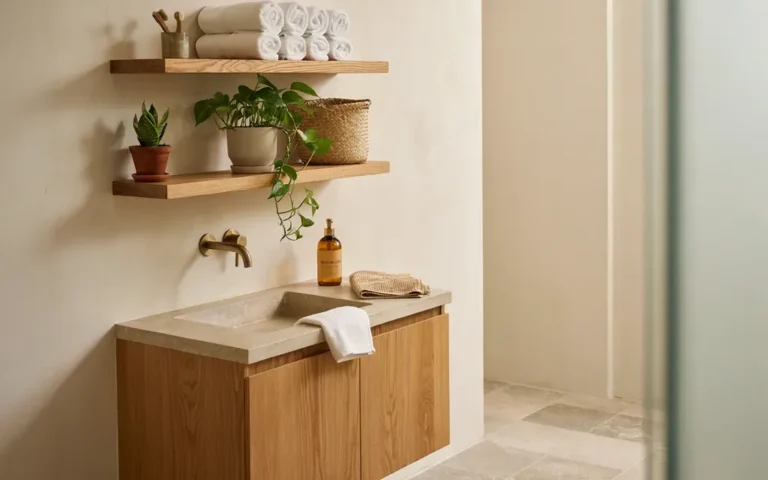
24 Modern Bathroom Vanity Ideas You’ll Love

The right vanity can completely change the way your bathroom looks and works.
From sculptural shapes to beautiful textures, a thoughtful vanity can turn an ordinary space into a polished retreat.
These bathroom vanities explore modern designs that combine visual appeal with practical everyday function. Whether your bathroom feels plain, lacks storage, or needs a more personalized focal point, the right vanity can bring warmth, structure, and character to the space. You’ll find ideas featuring natural materials, creative cabinet details, unusual shapes, open storage, and refined finishes that can suit different layouts and decorating styles. In my experience, a vanity does more than hold a sink; it helps establish the room’s entire visual direction. Use these ideas to discover a style that fits your space, lifestyle, and storage needs.
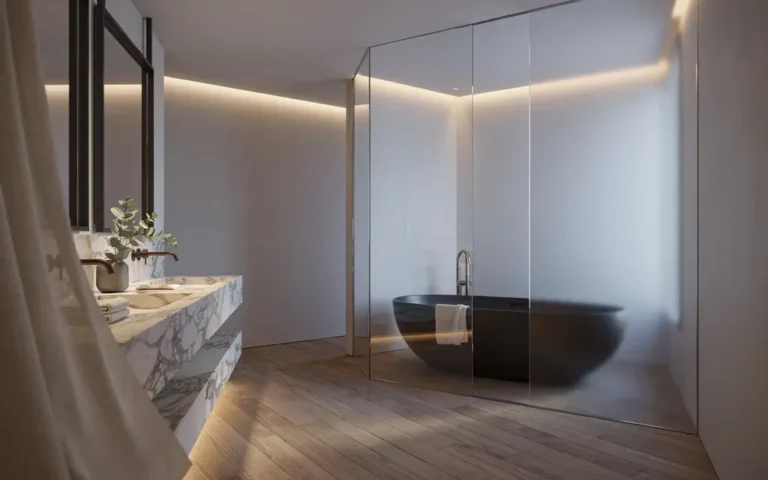
Floating Wood Vanity

- Keeps the floor visible for a more spacious appearance.
- Natural wood adds warmth to sleek modern finishes.
- Wall-mounted drawers provide practical everyday storage.
- Under-vanity lighting creates a soft evening glow.
Give your bathroom an instant upgrade with a floating vanity that keeps the floor visible and the room feeling open. Wall-mounted cabinetry creates a clean modern silhouette while making everyday cleaning easier underneath. Choose warm oak, walnut, or matte white based on your room’s palette, then pair it with a slim countertop and integrated sink. In my experience, floating furniture works especially well in compact bathrooms because the visible floor area creates a stronger sense of spaciousness. Add a simple mirror above and concealed storage below to keep toiletries organized without making the space feel crowded.
The beauty of a floating vanity is its ability to combine style with practical flexibility. Set the cabinet at a comfortable height, and confirm the wall can support the installation before mounting it. Drawers are often more useful than deep doors because they make smaller toiletries easier to reach. Soft LED lighting beneath the cabinet can add a subtle glow at night while emphasizing the open floor space. This approach suits modern bathroom vanities ideas because it creates a streamlined focal point, improves storage, and keeps the overall design visually light and uncluttered.
Fluted Wood Fronts

- Adds architectural texture without requiring bold colors.
- Vertical grooves create a refined modern focal point.
- Warm wood softens white stone and ceramic surfaces.
- Ribbed fronts can make simple cabinetry feel custom-designed.
Fluted wood fronts can turn a simple bathroom cabinet into a strong visual feature. The vertical grooves add depth and shadow while keeping the overall design streamlined and modern. Choose natural oak, walnut, or a warm medium wood, then pair it with a creamy stone countertop and simple hardware. The repeated lines create rhythm without introducing a busy pattern. I’ve noticed that this texture works especially well in neutral bathrooms because it gives the vanity personality while allowing the walls, flooring, and fixtures to remain calm. A large mirror above the cabinet can balance the strong vertical detail beautifully.
When choosing fluted cabinetry, consider how the grooves will interact with moisture and daily cleaning. A quality bathroom-grade finish is important, especially around sinks where water splashes are common. Keep the countertop relatively simple so the cabinet texture remains visible and intentional. Brushed brass or matte black fixtures can provide a small contrast without distracting from the wood. This treatment works across many bathroom vanities ideas because it combines warmth, texture, and storage in one piece. The result is a polished vanity that feels custom, tactile, and contemporary while still being practical for everyday routines.
Double Sink Vanity

- Provides separate sink areas for shared bathrooms.
- Long countertops create useful space between daily essentials.
- Symmetry gives the bathroom a polished, organized appearance.
- Drawer storage keeps personal items easy to access.
A double sink vanity can make a shared bathroom feel more organized, comfortable, and efficient. Two sinks provide separate personal spaces, while a long countertop offers room for everyday essentials without forcing everything into one small area. Choose symmetrical cabinetry and matching fixtures to create a balanced appearance, then soften the arrangement with warm wood, neutral stone, or simple decorative accents. In my experience, generous drawer storage makes the biggest practical difference because each person can have a dedicated area for frequently used items. A wide mirror can visually connect both stations and make the bathroom feel larger.
Before choosing the vanity, measure the wall carefully and leave enough clearance for doors, drawers, and comfortable movement. If space allows, include a small gap or open section between the sinks for towels or decorative storage. Integrated lighting above or beside the mirror helps each station remain functional without creating harsh shadows. Keep countertop accessories limited so the long surface stays visually clean. Among bathroom vanities ideas, a double-sink design is especially useful for couples or families because it combines shared functionality with personal organization while giving the bathroom a polished, symmetrical centerpiece.
Furniture Style Vanity

- Gives the bathroom a more furnished, personalized appearance.
- Dresser-inspired details add character without looking outdated.
- Decorative legs create a lighter visual profile.
- Works beautifully with vintage mirrors and traditional hardware.
Turn the vanity into a statement furniture piece by choosing cabinetry that looks more like a refined dresser than standard bathroom storage. Painted sage, warm taupe, creamy white, or muted blue can add personality while keeping the room sophisticated. Look for framed doors, decorative legs, or elegant drawer fronts, then pair them with a simple stone countertop. This approach makes the bathroom feel intentionally decorated rather than purely functional. In my experience, furniture-style cabinetry works especially well in guest bathrooms because it creates an inviting focal point while giving visitors useful storage for towels, toiletries, and everyday essentials.
For a balanced modern look, avoid combining too many traditional details in the same space. A simple oval mirror, streamlined faucet, and understated lighting can keep the furniture-inspired cabinet feeling fresh. Make sure the vanity material and finish are suitable for humid bathroom conditions, particularly if the piece is adapted from furniture. You can also choose a purpose-built vanity with dresser styling for easier installation and better moisture resistance. The finished room feels warm, collected, and distinctive, proving that bathroom storage can contribute as much visual personality as decorative accessories.
Pedestal Sink Vanity

- Creates an airy alternative to bulky closed cabinetry.
- Sculptural shapes add personality to compact spaces.
- Open floor area makes cleaning and movement easier.
- A slim ledge provides room for a few essentials.
A pedestal-style vanity can create an airy bathroom look when traditional cabinetry feels too heavy or visually crowded. Instead of a large storage box, choose a sculptural basin with a slim integrated ledge or compact base. This design works beautifully in powder rooms and smaller bathrooms where preserving open floor space matters. Pair the basin with a graceful mirror, simple wall sconces, and warm neutral finishes to create a clean focal point. I’ve noticed that reducing bulky furniture can make a compact room feel noticeably calmer, especially when everyday toiletries can be stored elsewhere.
Because this style offers less concealed storage, it works best when the bathroom has another practical place for towels and toiletries. A nearby linen cabinet, recessed shelf, or attractive basket can handle essentials without changing the open appearance. Choose a basin with proportions that match the room, leaving comfortable clearance around the sides and front. Matte ceramic, natural stone, or softly textured finishes can add subtle character. This option brings a sculptural quality to modern bathroom design while keeping the floor visually open, making the entire room feel lighter, cleaner, and more spacious.
Corner Vanity Unit

- Makes use of an awkward or unused bathroom corner.
- Frees the main wall for mirrors or other features.
- Compact storage keeps essential items within easy reach.
- Custom sizing can improve circulation in tight layouts.
A corner vanity can turn an overlooked bathroom corner into useful storage and washing space without taking over the room. This layout is especially practical when a standard vanity would interfere with the door, shower, or toilet. Choose a compact cabinet with a shallow countertop and an integrated basin to preserve comfortable movement around the room. Warm beige, soft gray, or natural wood finishes can keep the unit visually quiet. In my experience, corner placement works particularly well in unusual bathroom layouts because it uses space that might otherwise remain empty while keeping the central floor area easier to navigate.
Before installation, measure both walls carefully and check the swing of nearby doors or drawers. Rounded countertop edges can improve movement in particularly tight bathrooms, while custom cabinetry allows you to work around plumbing and wall dimensions. Use a mirror that fits the available wall space rather than choosing an oversized design. Open shelving nearby can provide extra towel storage without making the corner feel crowded. This setup is a smart choice when functionality matters as much as appearance, giving a difficult layout a purposeful solution while maintaining a clean, modern bathroom aesthetic.
Curved Cabinet Vanity

- Softens the hard lines common in modern bathrooms.
- Rounded edges create a more sculptural focal point.
- Walnut or oak adds warmth to neutral surroundings.
- Especially useful where sharp corners feel visually heavy.
A curved cabinet vanity can instantly soften a bathroom filled with straight walls, square tiles, and angular fixtures. Rounded cabinet fronts create a smoother visual flow while still providing practical storage underneath the countertop. Warm walnut, natural oak, muted taupe, or creamy finishes work especially well with this shape. The curved silhouette becomes a subtle focal point without needing decorative hardware or bold patterns. I’ve noticed that rounded furniture can make contemporary bathrooms feel more welcoming because the softer profile breaks up hard architectural lines while maintaining a clean, sophisticated appearance.
For the best result, repeat one or two curved elements elsewhere in the room, such as a round mirror, arched wall light, or softly shaped accessories. Avoid using too many competing shapes because the vanity should remain the main sculptural feature. Choose durable bathroom-grade finishes and allow enough clearance around the curved front for comfortable movement. This design is particularly effective in medium-sized bathrooms where a standard rectangular cabinet may feel too rigid. The finished space feels balanced and modern, combining useful storage with an elegant silhouette that gives the room a more thoughtfully designed appearance.
Open Shelf Vanity

- Keeps frequently used towels and baskets easily accessible.
- Open space creates a lighter furniture profile.
- Woven storage adds texture and hides smaller essentials.
- Natural wood makes the exposed shelving feel warm.
An open shelf vanity brings a lighter, more relaxed feeling to bathroom storage while keeping everyday items within easy reach. Instead of enclosed doors throughout the cabinet, use one or two spacious shelves beneath the countertop for folded towels, woven baskets, or neatly arranged toiletries. Natural oak and warm walnut are especially attractive because the exposed structure becomes part of the room’s decor. In my experience, open shelving works best when the displayed items are limited and coordinated. A few cream towels, natural baskets, and simple ceramic pieces can make the vanity look styled without becoming cluttered.
Organization is the key to making this design practical. Use matching baskets for small toiletries and reserve open areas for larger, attractive essentials such as rolled towels or spare tissue. If you prefer a cleaner appearance, choose a combination of one open shelf and one enclosed drawer. This gives you display space while keeping less attractive items hidden. Make sure the shelf material has a moisture-resistant finish because bathroom humidity can affect untreated wood. The result is an approachable vanity that adds storage, texture, and visual openness while making the bathroom feel warm rather than overly formal.
Integrated Basin Top

- Creates an uninterrupted countertop and sink surface.
- Minimal seams give the vanity a cleaner appearance.
- Smooth materials are visually calm and easy to coordinate.
- Works especially well with contemporary cabinet designs.
An integrated basin countertop creates a beautifully seamless look by combining the sink and vanity top into one continuous surface. The result has fewer visible joints and a smooth appearance that feels especially polished in contemporary bathrooms. Matte white, soft ivory, or pale gray solid-surface materials can create a calm backdrop for warm wood or painted cabinetry. This style is particularly useful when you want the vanity to feel architectural rather than decorative. I’ve seen many modern bathrooms benefit from this approach because the uninterrupted surface makes even a compact vanity look more streamlined and carefully planned.
For everyday use, consider how the basin shape affects cleaning and countertop space. A gently sloped integrated sink can provide a smooth transition around the basin, while a larger counter area gives you room for soap, skincare, or a small decorative tray. Choose cabinetry with enough drawers to compensate for the minimal countertop design. Keep the mirror and lighting simple so the seamless surface remains noticeable. This approach creates a refined foundation that pairs easily with many bathroom styles, giving the room a crisp, cohesive appearance without relying on excessive decoration or complicated materials.
Stone Pedestal Vanity

- Creates a sculptural focal point with natural material.
- Stone texture adds depth without decorative clutter.
- Rounded proportions soften a contemporary bathroom.
- Works beautifully with warm metals and earthy accessories.
A stone pedestal vanity can make the bathroom feel like a carefully designed retreat rather than a purely functional space. Instead of traditional cabinetry, a sculptural stone base supports the basin and creates a strong architectural silhouette. Travertine, limestone, or stone-look porcelain in warm cream and beige tones can add natural variation while keeping the palette sophisticated. In my experience, this approach works best when the rest of the room stays simple, allowing the vanity’s material and shape to become the main attraction. Pair it with a rounded mirror and restrained hardware for a cohesive look.
Because pedestal designs usually provide less hidden storage, plan the room around your actual storage needs. A nearby recessed niche, slim linen shelf, or woven basket can hold smaller essentials without competing with the vanity. Choose a sealed natural stone or a bathroom-rated alternative to make cleaning and moisture management easier. Soft wall lighting can highlight the texture and curves after sunset. This setup is ideal when visual impact matters more than maximum cabinet capacity, giving the bathroom a sophisticated focal point that feels organic, durable, and distinctly different from conventional rectangular vanity furniture.
Asymmetrical Vanity

- Creates visual interest without relying on bold colors.
- Offset storage can adapt to unusual plumbing or layouts.
- Asymmetry gives a custom-designed appearance.
- Open countertop space can become a useful styling area.
An asymmetrical vanity brings a creative, custom feel to a modern bathroom by intentionally shifting the sink, drawers, or storage sections away from the center. This layout can be especially useful when plumbing, windows, or wall dimensions make a perfectly centered cabinet impractical. Choose warm oak, muted beige, or soft white cabinetry and keep the countertop simple so the unusual arrangement remains visually clear. The offset design creates movement while still feeling organized. I’ve noticed that asymmetry can make a bathroom look more distinctive without requiring dramatic colors, patterned tile, or oversized decorative pieces.
Balance is important when using an uneven vanity arrangement. A large mirror can be centered with the wall rather than the sink, or you can repeat the offset position through a wall light or decorative object. Make sure the sink has comfortable clearance and that drawers can open without hitting nearby fixtures. Keep the countertop styling minimal because the cabinet layout already provides visual interest. This approach works particularly well in renovated bathrooms with imperfect dimensions, turning limitations into intentional design details. The result feels personalized, functional, and modern while avoiding the predictable appearance of perfectly symmetrical furniture.
Arched Door Vanity

- Introduces soft architectural curves through the cabinetry.
- Arched doors add character without complicated decoration.
- Cream and beige finishes keep the look timeless.
- Pairs naturally with rounded mirrors and curved lighting.
Arched cabinet doors can give a bathroom vanity a graceful architectural detail while keeping the overall design clean and contemporary. Instead of flat rectangular fronts, choose doors with softly rounded tops in cream, warm taupe, muted green, or natural wood. The curved detail adds personality without requiring ornate decoration. Pair the vanity with a rounded or arched mirror to create visual repetition and make the design feel intentional. In my experience, repeating one curve in two places is enough to create harmony without making the bathroom look overly themed or decorative.
Keep the countertop simple so the cabinet doors remain the visual focus. A pale quartz or light stone surface works beautifully with painted cabinetry and allows brass, bronze, or nickel fixtures to add small accents. Consider integrated pulls or discreet knobs if you want the arches to remain prominent. Ensure the cabinet construction is designed for bathroom humidity and regular cleaning. This vanity style creates a refined transition between traditional craftsmanship and modern simplicity, giving the room a softer appearance while maintaining useful storage and a polished everyday setup.
Console Table Vanity

- Creates a furniture-inspired look with a lightweight profile.
- Exposed legs make the room feel more open.
- Slim proportions work well in narrow bathrooms.
- Lower space can hold neatly folded towels or baskets.
A console table vanity brings an elegant furniture-like character to the bathroom while keeping the overall footprint visually light. Its slim frame, exposed legs, and open lower area create a less bulky appearance than traditional cabinetry. Warm walnut, oak, or painted finishes can complement stone countertops and simple fixtures beautifully. This setup works particularly well in guest bathrooms or narrow spaces where heavy storage furniture may feel overwhelming. In my experience, the open structure helps smaller rooms feel more breathable while still providing enough countertop space for soap, hand towels, and a few carefully chosen accessories.
Because the lower section remains exposed, styling should be intentional rather than crowded. A woven basket can hold extra towels, while a small tray keeps everyday items organized on the countertop. Choose sturdy materials designed for humid environments, especially when using wood or metal legs. A simple round mirror can soften the linear frame and create visual balance above the sink. This vanity style is ideal when you want bathroom storage to feel more like furniture than built-in cabinetry. The result is sophisticated, practical, and airy, with enough personality to make a compact bathroom feel thoughtfully furnished.
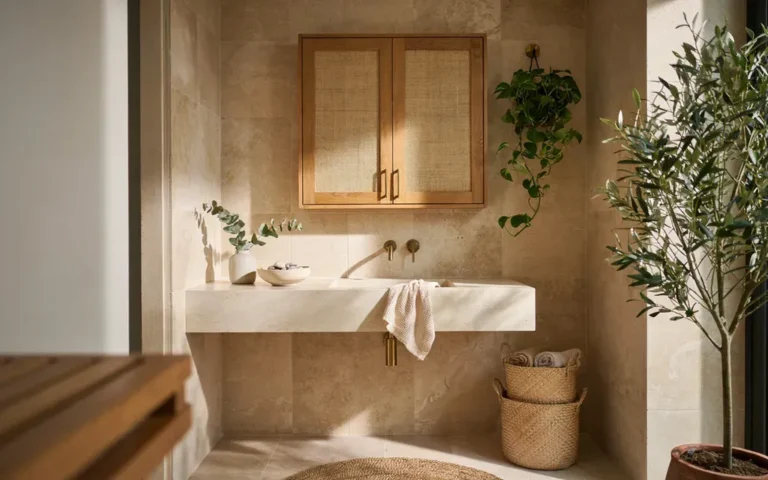
Rattan Panel Vanity

- Adds natural texture without relying on heavy patterns.
- Cane panels bring warmth and handcrafted character.
- Earthy materials create a relaxed spa-like atmosphere.
- Works beautifully with cream, beige, and natural wood finishes.
Rattan or cane paneling can give a bathroom vanity a warm, textured personality that feels relaxed without looking rustic. The woven fronts create tiny variations in light and shadow, adding depth to otherwise simple cabinetry. Pair natural cane with warm oak, creamy countertops, and aged brass fixtures for an earthy modern palette. In my experience, this material works especially well when a bathroom contains many hard surfaces because the woven texture introduces softness and visual warmth. A round mirror and simple greenery can reinforce the organic feeling without making the room look overly themed.
Choose high-quality, bathroom-suitable cabinetry and check that the woven material has an appropriate protective finish for humid conditions. Keep the countertop styling simple because the cane already provides detailed texture. Neutral towels, ceramic containers, and natural baskets can complement the material while maintaining a calm appearance. If you prefer a more contemporary effect, use cane only on the drawer fronts and keep the cabinet frame smooth. This creates a balanced combination of texture and clean lines, giving the bathroom a distinctive vanity feature that feels welcoming, natural, and carefully considered.
Color Block Vanity

- Introduces color without covering the entire bathroom.
- Two coordinated shades create visual structure.
- Darker lower cabinetry can visually ground the room.
- Neutral walls keep the vanity as the main feature.
A color-blocked vanity can transform a simple bathroom into a more personalized space by combining two carefully chosen cabinet colors. Try a deep olive base with a creamy frame, dusty blue with warm white, or muted terracotta with beige. The contrast creates visual structure while keeping the vanity itself cohesive. In my experience, using one stronger shade and one softer neutral is easier to style than combining several bright colors. A simple countertop and understated hardware allow the cabinet colors to remain the main design feature without making the bathroom feel visually crowded.
Think about how the colors interact with the bathroom’s natural light before committing to a combination. Darker tones can feel richer in bright rooms, while softer shades help smaller spaces remain open and airy. Repeat one cabinet color subtly through towels, artwork, or a small accessory rather than matching everything exactly. Keep the mirror shape simple so it does not compete with the cabinetry. This approach adds personality while remaining practical, making it a strong choice for homeowners who want their vanity to become the room’s focal point without relying on elaborate tile patterns or excessive decoration.
Slatted Metal Vanity

- Adds a crisp architectural detail to the bathroom.
- Metal construction creates a lighter visual profile.
- Bronze tones soften the industrial character.
- Open sections can keep towels accessible and organized.
A slatted metal vanity can give a modern bathroom an architectural edge while keeping the furniture visually lightweight. Thin vertical metal sections create rhythm and texture without making the room feel heavy. Matte bronze, champagne, or soft black finishes can work beautifully with creamy stone, warm beige walls, and simple ceramic fixtures. In my experience, choosing a warmer metal finish makes this style feel more inviting than stark industrial designs. The open framework also allows selected towels or baskets to become part of the decor while keeping the main countertop area clean and practical.
Because metal is exposed to moisture, choose a finish specifically designed for bathroom environments and wipe away standing water regularly. Pair the vanity with a simple integrated basin and a rounded mirror to soften its stronger linear structure. Keep accessories minimal so the slatted construction remains visible. If additional storage is needed, use coordinated baskets beneath the open sections rather than adding bulky furniture nearby. This design creates a distinctive balance between structure and openness, making the bathroom feel contemporary, organized, and visually lighter while offering a refreshing alternative to conventional closed cabinetry.
Inset Handle Vanity

- Keeps cabinet fronts smooth and visually uncluttered.
- Built-in handles eliminate bulky external hardware.
- Neutral finishes emphasize the clean cabinetry profile.
- Easy-grip recessed pulls combine style with function.
An inset-handle vanity creates a sleek appearance by building the cabinet pulls directly into the drawer or door fronts. This small detail can make the entire bathroom feel more streamlined because there are fewer visual interruptions across the cabinetry. Choose warm gray, creamy white, natural oak, or muted taupe finishes, then pair them with a simple quartz countertop. The recessed handles remain practical while keeping the vanity visually quiet. I’ve noticed that this style works particularly well in contemporary bathrooms where clean surfaces and uncluttered proportions are more important than decorative hardware.
For everyday convenience, choose handles with enough depth for comfortable use without creating a bulky appearance. A matte or satin finish can help maintain the understated look and coordinate easily with faucets or lighting. Keep the countertop mostly clear so the smooth cabinetry remains noticeable. If the bathroom has a small footprint, this streamlined design can also reduce visual clutter and make the room feel more organized. The result is a refined vanity that focuses on proportion, usability, and clean craftsmanship, proving that practical storage details can also become an important part of the overall design.
Microcement Vanity

- Creates a seamless, monolithic appearance.
- Soft greige tones bring warmth to minimalist spaces.
- Continuous surfaces reduce visual interruptions.
- Works beautifully with natural wood and warm metals.
A microcement vanity can create a seamless, architectural look that feels both modern and relaxed. The softly textured material can cover the cabinet structure and countertop, producing a continuous appearance with very few visible transitions. Warm greige, taupe, sand, or light concrete tones work especially well in minimalist bathrooms because they add depth without introducing busy patterns. In my experience, microcement looks strongest when paired with simple mirrors, warm lighting, and natural wood accents. The restrained palette lets the material texture become the main feature while keeping the bathroom calm and visually cohesive.
Professional installation is important because the surface must be properly prepared, sealed, and finished for bathroom moisture and regular cleaning. Ask about maintenance requirements before choosing the material, especially around the basin and splash-prone areas. Keep hardware minimal and use warm metal accents if the room needs a little contrast. A few natural accessories can soften the architectural finish without disrupting its clean character. This approach gives the vanity a custom-built appearance that feels sophisticated and tactile, creating a peaceful bathroom atmosphere while maintaining the practical structure needed for everyday routines.
Concrete Basin Vanity

- Adds strong architectural character with a tactile surface.
- The integrated basin creates a cohesive custom appearance.
- Warm wood softens the cooler concrete finish.
- Subtle imperfections make the piece feel handcrafted.
A concrete basin vanity can give a modern bathroom a strong architectural presence without relying on elaborate decoration. Its naturally textured surface creates depth while the integrated basin keeps the overall shape visually cohesive. Choose a warm gray, greige, or softly mottled finish rather than a harsh industrial tone, then balance it with natural oak and warm metal fixtures. In my experience, concrete looks most inviting when paired with softer materials, such as woven towels, wood accents, or creamy walls. This combination prevents the vanity from feeling cold while preserving its distinctive contemporary character.
Because concrete is naturally porous, proper sealing is essential for bathroom use. Ask the manufacturer about the recommended finish and cleaning products before installation, especially around areas exposed to standing water. Keep the surrounding decor simple so the vanity’s material remains the focal point. A round mirror can soften its heavier visual weight, while warm sconces add flattering evening light. This design works especially well for homeowners who want a custom, substantial centerpiece with an artistic feel. The finished bathroom feels grounded and sophisticated, combining practical washing space with a distinctive material statement.
Cane Drawer Vanity

- Woven drawer fronts introduce natural handcrafted texture.
- Freestanding proportions keep the cabinet visually approachable.
- Warm wood complements neutral stone and ceramic finishes.
- Drawers provide practical storage without bulky doors.
A cane drawer vanity brings warmth and handcrafted texture into a contemporary bathroom while maintaining useful everyday storage. Woven cane panels on the drawer fronts create a soft pattern that catches light differently throughout the day, giving the cabinet more depth than a plain painted finish. Pair honey oak or walnut framing with creamy stone and aged brass for an inviting palette. I’ve noticed that natural woven details work particularly well when the bathroom contains many smooth surfaces because they introduce texture without requiring colorful tile or elaborate decoration.
Keep the countertop simple so the woven drawer fronts remain the main visual feature. Choose a bathroom-grade protective finish for the wood and cane, particularly if the vanity sits close to a shower or frequently used sink. Store smaller toiletries inside the drawers so the countertop remains calm and uncluttered. A rounded mirror, linen towels, and a small plant can reinforce the relaxed organic style. This vanity creates a warm balance between furniture and function, giving the bathroom personality while maintaining the storage needed for daily routines and keeping the overall atmosphere clean and welcoming.
Two-Tone Oak Vanity

- Creates depth without adding complicated patterns.
- Combining wood tones gives the cabinet a custom appearance.
- Natural grain adds warmth and visual texture.
- Neutral countertops keep the mixed finishes balanced.
A two-tone wood vanity can create depth and personality by combining different wood shades within one carefully designed cabinet. Try pale oak drawers with a deeper walnut frame, or warm natural wood paired with a slightly darker countertop surround. The contrast highlights the cabinet structure while keeping the palette connected through natural grain. In my experience, mixing wood tones works best when the difference is intentional rather than accidental. Keep the countertop light and neutral so the two finishes remain the main feature without making the bathroom feel visually busy.
Choose wood tones that share similar undertones, such as warm honey and medium walnut, rather than combining finishes that clash. Repeat one of the wood shades subtly through a stool, shelf, or small accessory to create continuity around the room. Protect all exposed wood with a finish suitable for humid bathroom conditions and wipe away water promptly. Simple metal hardware and a large neutral mirror can complete the look without competing for attention. The result feels custom, warm, and sophisticated, offering a distinctive alternative to single-color cabinetry while maintaining practical storage and an inviting everyday atmosphere.
Glass Front Vanity

- Glass doors make storage feel lighter and more decorative.
- Fluted glass adds privacy while showing subtle contents.
- Warm wood frames balance the transparent panels.
- Ideal for displaying neatly arranged towels and baskets.
A glass-front vanity can make bathroom storage feel lighter, more decorative, and intentionally styled. Instead of hiding every item behind solid doors, use clear or fluted glass panels to display neatly folded towels, attractive containers, or organized baskets. Warm walnut or oak framing keeps the cabinet grounded, while a creamy countertop maintains a bright appearance. In my experience, glass-front storage works best when the visible contents are coordinated rather than random. A limited palette of white towels, woven baskets, and simple containers can make the vanity feel almost like a furniture display.
Fluted or textured glass is especially useful when you want the lighter appearance of glass without showing every detail inside the cabinet. Keep everyday clutter in drawers or solid compartments and reserve the glass sections for attractive essentials. Make sure the doors have quality hinges and hardware suitable for humid conditions. A simple mirror and understated lighting can complete the look without competing with the cabinet. This design adds character while keeping the bathroom visually open, making it a practical choice for anyone who enjoys organized storage that also contributes to the room’s overall decorative style.
Reeded Panel Vanity

- Adds fine vertical texture without a heavy pattern.
- Reeded surfaces create subtle light and shadow.
- Painted finishes make the texture feel fresh and modern.
- Works beautifully with rounded mirrors and warm hardware.
A reeded panel vanity adds delicate vertical texture to bathroom cabinetry while keeping the overall design sophisticated and clean. The closely spaced grooves create subtle shadows that change as daylight moves across the surface, giving a simple cabinet more visual depth. Try warm white, sage green, muted taupe, or natural wood finishes depending on your bathroom palette. I’ve noticed that reeded detailing works particularly well when the room already has smooth walls and countertops because it introduces texture without adding another competing pattern.
For a polished result, repeat the vertical rhythm only through small details rather than covering the entire bathroom with lines. A rounded mirror can provide a gentle contrast to the linear cabinet front, while brass or brushed nickel fixtures add a refined finishing touch. Choose a moisture-resistant cabinet finish and clean the grooves regularly so dust and residue do not collect. Keep the countertop styling simple with one tray or ceramic container. The finished vanity feels detailed and custom while remaining practical, making it an excellent choice for a modern bathroom that needs texture without visual clutter.
Terrazzo Counter Vanity

- Makes the countertop the main decorative feature.
- Speckled stone adds a subtle pattern without covering cabinetry.
- Neutral chips connect several bathroom finishes.
- Simple cabinet fronts keep the look balanced.
A terrazzo countertop can turn an otherwise simple vanity into a stylish focal point without changing the entire cabinet design. Choose a creamy base with small beige, gray, or muted charcoal chips to add pattern while keeping the palette versatile. Pair it with plain white, oak, or soft taupe cabinetry so the countertop remains the star. In my experience, terrazzo is particularly useful when you want personality but do not want a heavily patterned backsplash or dramatic wall treatment. Its scattered texture adds interest while still coordinating easily with mirrors, fixtures, towels, and flooring.
The size and density of the stone chips can significantly change the finished appearance. Fine chips create a quieter, more refined surface, while larger pieces make a stronger design statement. Choose a countertop with practical sealing and maintenance requirements suitable for bathroom use, and keep accessories limited to avoid competing patterns. A simple integrated sink can make the surface feel more continuous and contemporary. This approach offers an easy way to refresh an existing vanity concept while introducing color and texture through one functional surface. The result feels modern, personalized, and visually balanced without requiring a complete bathroom renovation.
Conclusion
A beautiful bathroom vanity can become the foundation for a space that feels organized, stylish, and genuinely comfortable to use. From natural wood and woven textures to sculptural stone, curved cabinetry, and creative storage solutions, these bathroom vanities ideas offer inspiration for many different homes and layouts. I’ve seen how changing one major element can make an entire bathroom feel more intentional and refreshed. Save this article on Pinterest so you can return to your favorite designs, try an idea in your own space, and share it with someone planning a bathroom update. Start with the style that speaks to you and make your bathroom feel uniquely yours.